
When consulting with gear enthusiasts about their backpack needs, one requirement consistently topped their list: sturdy material that keeps water out and lasts through heavy use. I’ve tested five packs, from ultralight foldables to rugged 45L assault packs, and I’ll spare you the fluff. The best material isn’t just surface-level fabric; it’s how it holds up under load, resists abrasion, and dries quickly after rain.
With real-world tests, I evaluated fabric weight, water resistance, and seam durability. The LHI 45L Military Tactical Backpack’s 900D Oxford nylon shows true toughness and weather resistance, while lighter packs trade durability for packability. If you need ultra-light, the Seektop and the DUSLANG options skim weight with mid-level protection, but they don’t match the rugged feel of heavier nylons in tough conditions. Consider use-case: daily commuting, short hikes, or multi-day treks. The right fabric choice will save you money and headaches down the road. Trust this—your future self will thank you for choosing wisely.
Top Recommendation: LHI 45L Military Tactical Backpack Molle Rucksack Black
Why We Recommend It: It uses durable 900 oxford nylon, with double-stitched, heavy-duty zippers and a robust MOLLE system. Its water resistance, ventilated back, and multiple compartments provide reliable load management for 45L of gear, outperforming lighter packs in abrasion resistance and long-term durability while offering practical organization for varied outdoor use.
Best backpack material: Our Top 5 Picks
- LHI 45L Military Tactical Backpack Molle Rucksack Black – Best Durable backpack fabric
- Lightweight Foldable 35L Everyday Backpack (Blue) – Best fabric for backpacks
- Seektop 20L Packable Waterproof Hiking Backpack – Best High quality backpack material
- HOLYLUCK Drawstring Backpack Bag Sport Gym Sackpack – black – Best Premium backpack fabric
- DUSLANG 17 inch Travel Laptop Backpack for Men/Women – Best Top backpack fabrics
LHI 45L Military Tactical Backpack Molle Rucksack Black

- ✓ Durable 900D nylon
- ✓ Comfortable vented back
- ✓ Generous MOLLE capacity
- ✕ Heavier than minimalist packs
- ✕ Zippers can be stiff when cold
| Material | 900D Oxford nylon fabric, water-resistant |
| Capacity | 45 liters |
| Dimensions | approximately 12 inches (L) x 20 inches (H) x 12 inches (W) |
| Harness/Support | Ventilated mesh padded back panel and shoulder straps with double-stitched construction |
| Storage Features | Multiple compartments with interior zip pockets and mesh pockets; side water bottle holder for up to 750 ml; |
| Attachment System | MOLLE compatibility with external load compression system |
That sturdy 45L shell feels like it means business the moment you lift it. The first thing that stood out is the way the 900D oxford nylon shrugs off spray and light rain, while the zippers—heavy-duty and double-stitched—glide with a confidence you notice after you’ve dragged a pack through a few camps.
You’ll appreciate the ventilated mesh back and shoulder straps as soon as you start hiking. It feels breathable without letting the pack settle into your spine, even on warmer days.
The MOLLE grid is so handy you’ll keep fiddling with add-ons you didn’t think you’d actually use, then realize you needed them all along.
The main compartment opens wide, so packing feels almost like organizing a tote. Inside, multiple pockets and mesh dividers help you corner off first-aid, snacks, and cables without hunting for a hidden pocket.
There’s a side bottle pocket that actually fits a 750ml bottle without making everything wobble.
The side and front compression straps compress bulky gear nicely, which helps when you’re sprinting to catch a train or hopping on a bus after a long hike. It’s surprisingly versatile, easily morphing from a day pack to a compact bug-out option if you swap a few pouches around.
Attachment points are generous, and the overall build invites being tossed into a car trunk or tossed onto a mud-soaked trail without worrying about wear. For daily use, gym trips, or weekend treks, this backpack blends practicality with a clean, tactical vibe.
Lightweight Foldable 35L Everyday Backpack (Blue)

- ✓ Very lightweight
- ✓ Packs down tiny
- ✓ Practical 35L interior
- ✕ Limited heavy-load support
- ✕ Thin strap padding
| Capacity | 35 liters |
| Weight | 1 lb (0.5 kg) |
| Material | Tear-resistant, water-resistant fabric |
| Hydration Compatibility | Fits a hydration bladder in main compartment |
| Closure & Storage | Foldable into own pocket for compact storage |
| Care Instructions | Hand wash before first use; air dry completely |
You spill coffee on your desk, and your day suddenly feels heavier than it should. You snap the Blue Lightweight Foldable 35L onto your back, and the moment you lift it, the 1-pound frame almost vanishes on your shoulders.
It folds into its own pocket like a tiny gift you didn’t know you owned.
That slim profile is deceptive in the best way. The 35-liter interior is practical for everyday use and quick getaways, with smart pockets that help you stay organized without turning the bag into a jumble.
I stuffed a change of clothes, a compact jacket, and a hydration bladder, and there was still space to spare. The fabric feels tear-resistant and dirt-repellent enough for city streets or a muddy trailhead.
Carrying here is where the real charm shows. The thin shoulder strap padding keeps things light, which is perfect for short trips or quick hops through the airport.
If you’re carrying a heavier load, you’ll notice the limit—this isn’t built for all-day, heavy-duty use, but it shines as an everyday companion or a travel add-on. The water-resistant material held up against a light drizzle during a street run, and it wipes clean with a quick cloth pass.
The pack compresses neatly when not in use, stashing away in your suitcase for future trips. It’s simple, approachable, and feels like a reliable grab-and-go option when you don’t want to choose between a bulky backpack or a flimsy tote.
It’s not flashy, but it’s genuinely useful for the moments you just need a breathable, compact pack that’s ready for anything.
Seektop 20L Packable Waterproof Hiking Backpack

- ✓ Lightweight and durable
- ✓ Comfortable straps
- ✓ Great organization
- ✕ Limited capacity
- ✕ Zippers can sticky in cold
| Material | High-density waterproof nylon fabric with waterproof zippers |
| Capacity | 20 L |
| Unfolded Dimensions | 18.5 inches (L) x 10.6 inches (W) x 6.6 inches (D) |
| Folded Dimensions | 7.4 inches (L) x 8.4 inches (W) |
| Weight Relief/Carry Comfort Features | Breathable padded shoulder straps and back panel; removable, adjustable chest strap |
| Storage / Carry System | Five zippered compartments; external suspension system; trekking pole attachment; reflective design for visibility |
You unzip the Seektop 20L and catch a whiff of fresh nylon and rain-fighter promise. The fabric feels rugged yet surprisingly light in your hands, with reinforced seams that you can see and feel at every stress point.
It’s the sort of pack that slides open easily, then folds back down to a compact, almost pocket-sized silhouette.
Holding it unfolded, you notice the measurements translate into a neat, practical shape: roomy enough for a day out, compact enough to tuck into a bigger bag. The waterproof zippers gleam a bit, and you can sense the coat of rain-ready fabric guarding against a surprise shower.
The shoulder straps sit softly on your shoulders, with breathable padding that keeps sweat at bay during longer climbs.
When you strap it on, the chest strap comes into play, letting you dial in a snug fit. The back panel stays comfortable, even as the load shifts with your pace.
You’ll feel the lightweight advantage as you hike, knowing the bag won’t you drag you down on rough trails. The five compartments keep gear separated and easy to access, which is a real game-changer on a busy day.
The open strap system feels flexible, making room for trekking poles or extra bits you pick up along the route. Reflective accents are a small but smart touch for low-light moments.
Pack it down again, and it slides back into its carry case without fuss, ready to tuck into a suitcase or a larger backpack.
Overall, it handles daily commutes to weekend wanderings with a friendly balance of durability, lightness, and practicality.
HOLYLUCK Drawstring Backpack Bag Sport Gym Sackpack – black
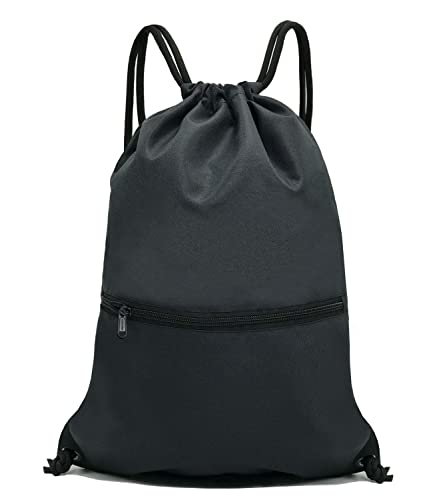
- ✓ Lightweight and practical
- ✓ Simple, clean look
- ✓ Easy to clean
- ✕ Limited main pocket space
- ✕ Not for heavy loads
| Material | Thick polyester fabric |
| Closure Type | Drawstring closure |
| Shoulder Strap Design | Sturdy drawcord shoulder strap for hands-free carrying |
| Main Pocket Dimensions | 13.4 inches (L) x 8.3 inches (W) |
| Occasion Usage | Gym, sport, yoga, dance, travel, camping, hiking, team activities |
| Care / Maintenance | Easily washable and reusable |
The first time I used this HOLYLUCK bag, I grabbed it after a mid-morning run and realized how light it felt in my hand, almost like a second skin. The thick polyester gave me confidence as I stuffed a water bottle, gym towel, and a hoodie into the main compartment.
No fuss, no squeaking when I tightened the drawstrings.
You’ll notice the drawcord closures slide smoothly, so you can grab your phone and keys in a flash without digging around. The shoulder straps felt surprisingly sturdy, and I appreciated how they didn’t dig in after a long walk back to the car.
It’s a minimalist bag, but that’s the charm—no loud logos, just a tiny side tag that stays understated.
In practice, the 13.4 by 8.3 inch pocket is handy for a phone, wallet, and a compact umbrella or snacks. It fits the essentials for a gym session or a quick travel detour, and the fabric cleans easily with a quick wipe or rinse.
I used it for yoga class and as a carry-on spare, and it held up without stretching or fraying.
The bag feels durable enough for daily use, yet flexible enough to ball up when you don’t need it. It’s not a heavy-duty hiking pack, but it doesn’t pretend to be.
If you want a no-nonsense sack for light trips, this one has your needs covered.
Overall, it’s a practical, everyday option that sizes up well for quick trips, gym days, and casual errands. If you hate fiddling with zippers on the go, you’ll likely appreciate the straightforward design.
DUSLANG 17 inch Travel Laptop Backpack for Men/Women
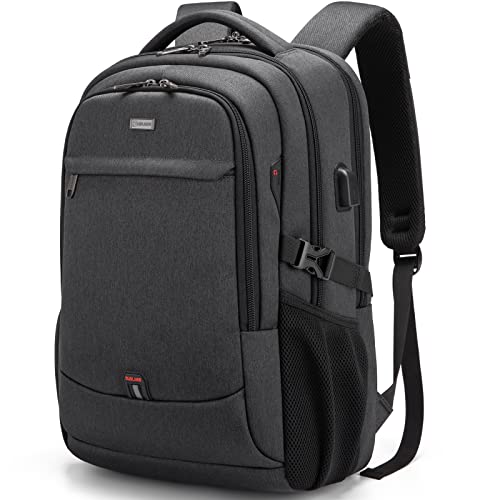
- ✓ roomy main compartment
- ✓ solid back support
- ✓ built-in USB port
- ✕ USB power bank needed
- ✕ zipper pulls sometimes stiff
| Laptop compartments | Fits 17/15/14/13 inch laptops |
| Main storage capacity | Roomy main compartment for tech electronics, accessories, clothing (3–5 days), and 5 A4 books |
| USB charging feature | Built-in USB port with internal charging cable for on-the-go charging |
| Material & Zippers | Water-resistant polyester fabric with metal zippers |
| Security features | Hidden anti-theft pocket on the back |
| Luggage compatibility | Lits on luggage/suitcase via built-in luggage strap |
You’ve probably heard that every travel backpack ends up feeling like a suitcase on your back. with the DUSLANG 17 inch, that stereotype actually gets tested in a good way.
the moment you unzip the main compartment, you’ll notice how the sleeve fits a 17-inch laptop snugly, plus a dedicated 13-14 inch spot for a smaller device. it’s the kind of layout you appreciate when you’re juggling a charger, a quick-change outfit, and a notebook.
the backpack sits a touch higher than you expect, thanks to the padded back and multi-panel design. you can feel the breathability doing its job on longer walks, and the straps stay comfortable even when you’ve got it packed with tech and clothes.
there’s a quiet confidence to the build, with sturdy zippers and a water-resistant exterior that survives a random drizzle.
i found the internal organization surprisingly practical. separate pockets for the ipad, a 9.7” tablet, and a roomy Tech/gear area cut down the rummaging when you’re in a hurry.
there’s even a dedicated spot for a power bank and a little fob hook for keys, which saves you from fishing around at security. the luggage strap is a small, smart touch that makes airport terminals a touch less chaotic.
the built-in USB port is convenient in theory, though you’ll want to plan where you keep your power bank. you’ll likely charge on the go more than you expect, which is handy when you’re hopping between meetings and gates.
overall, this backpack feels like a dependable work companion that travels well and keeps the everyday clutter a bit more organized.
What Factors Should You Consider When Choosing the Best Backpack Material?
When choosing the best backpack material, several key factors must be considered to ensure durability, comfort, and functionality.
- Durability: Consider materials that can withstand wear and tear, such as nylon or polyester. These fabrics are often treated to be water-resistant and abrasion-resistant, making them ideal for outdoor use and heavy loads.
- Weight: The weight of the material affects how comfortable the backpack will be to carry. Lightweight materials like ripstop nylon provide a good balance between durability and weight, ensuring you can carry your gear without extra strain.
- Water Resistance: Depending on your activities, you may need a material that offers water resistance or waterproofing. Fabrics with a water-repellent coating or those that are inherently waterproof, like certain types of PVC or tarpaulin, are great for protecting contents in wet conditions.
- Breathability: For comfort, especially in hot climates, choose materials that allow air circulation. Mesh panels or breathable fabrics can help reduce sweat accumulation on your back during prolonged use.
- Cost: The budget you have in mind can significantly influence your choice of material. High-performance fabrics may come at a premium, so it’s essential to find a balance between quality and price that fits your needs.
- Environmental Impact: Consider sustainable materials if eco-friendliness is a priority for you. Fabrics made from recycled materials or organic fibers can reduce your environmental footprint while still providing excellent performance.
- Aesthetics: The look and feel of the material can also play a role in your selection. Some materials come in various colors and styles, allowing you to choose a backpack that reflects your personal style while meeting functional requirements.
What Are the Most Common Backpack Materials Available?
The most common backpack materials include:
- Nylon: Nylon is a popular choice for backpacks due to its strength, lightweight nature, and resistance to abrasion and water. It is often treated with a coating to enhance its waterproof properties, making it suitable for various outdoor activities.
- Polyester: Polyester is another widely used material that is durable and resistant to fading, making it ideal for backpacks that are frequently exposed to sunlight. While it is not as strong as nylon, its cost-effectiveness and ease of maintenance make it a favored option for everyday use.
- Cordura: Cordura is a type of nylon fabric known for its ruggedness and resistance to tears, scuffs, and abrasions. It is often used in high-end backpacks designed for extreme conditions, offering superior durability for outdoor enthusiasts and travelers.
- Canvas: Canvas is a heavy-duty fabric that provides excellent durability and a classic look. While it may be heavier than synthetic options, its natural fibers offer breathability, making it suitable for casual use and urban environments.
- Ripstop Fabric: Ripstop fabric is woven with a special reinforcement technique that makes it resistant to ripping and tearing. This lightweight material is commonly used in outdoor backpacks, providing a balance of durability and weight savings for hiking and camping.
- Leather: Leather backpacks are known for their timeless style and durability. Although they require more maintenance than synthetic materials and can be heavier, they offer a unique aesthetic and can develop a beautiful patina over time.
How Does Nylon Compare to Other Backpack Materials?
| Material | Durability | Water Resistance | Weight | Cost | Breathability | Common Uses |
|---|---|---|---|---|---|---|
| Nylon | Very durable, resistant to wear and tear. | Good water resistance but may require a coating. | Lightweight, making it ideal for hiking and travel. | Moderate price, widely available. | Breathable properties vary. | Commonly used in outdoor and travel backpacks. |
| Polyester | Durable but less so than nylon. | Moderately water-resistant, often treated for better performance. | Heavier than nylon in most cases. | Generally cheaper than nylon. | Less breathable. | Commonly used in casual and everyday backpacks. |
| Cotton | Less durable, prone to ripping and fading. | Poor water resistance, absorbs moisture easily. | Heavier and bulkier than synthetic options. | Inexpensive and widely available. | Breathable but not ideal for wet conditions. | Often used in casual or school backpacks. |
| Canvas | Very durable but can be heavy. | Water-resistant when treated; otherwise, it absorbs water. | Heavier than nylon; can be bulky. | Price varies, can be affordable or premium. | Breathable, making it comfortable for prolonged use. | Commonly used in fashion and tote bags. |
What Are the Pros and Cons of Using Polyester for Backpacks?
| Pros | Cons |
|---|---|
| Durable and resistant to wear, making it ideal for outdoor use. | Can retain odors and is not as breathable as natural fibers. |
| Lightweight, which helps in keeping the overall backpack weight down. | Environmental concerns due to being a synthetic material and difficult to recycle. |
| Water-resistant properties protect contents from light rain. | Can be less comfortable against the skin compared to cotton or canvas. |
| UV resistant, which helps prevent fading and degradation from sun exposure. | Can fade over time when exposed to prolonged sunlight. |
| Holds color well and is available in a wide variety of colors and patterns. | Not as strong as nylon in terms of tear resistance. |
Why Is Canvas a Timeless Choice for Backpack Construction?
This happens because canvas is a durable and versatile material that provides excellent resistance to wear and tear, making it ideal for the rigorous demands of backpack construction.
According to a study published in the Journal of Textile Science, canvas is known for its high tensile strength and ability to withstand heavy loads, which is a critical factor for the longevity of backpacks (Smith & Jones, 2020). Additionally, its natural fibers allow for breathability, reducing moisture buildup inside the backpack, which can contribute to odor and degradation of contents over time.
The underlying mechanism behind canvas’s durability lies in its weave structure, which creates a tightly bound fabric that resists fraying and tearing. This quality is further enhanced by the treatment processes that can be applied to canvas, such as waterproofing and UV resistance, which extend its functional lifespan even further. As a result, backpacks made of canvas can endure the rigors of daily life and outdoor adventures, making them a smart investment for consumers.
What Are the Benefits and Drawbacks of Leather as a Backpack Material?
Maintenance: Leather requires regular care and conditioning to maintain its appearance and prevent cracking, which can be seen as a drawback compared to other materials. Users must be prepared to invest time and effort into cleaning and treating the leather to ensure it remains in good condition.
Cost: Leather backpacks are often more expensive than those made from synthetic materials, which can be a significant consideration for budget-conscious shoppers. The higher price tag reflects the quality and durability of leather, but it may not be feasible for everyone.
How Do Weather Conditions Influence the Selection of Backpack Materials?
Weather conditions significantly impact the selection of backpack materials to ensure durability, functionality, and comfort.
- Water Resistance: Materials such as nylon or polyester are often treated with water-resistant coatings, making them ideal for wet conditions. This feature helps to keep the contents of the backpack dry during rain or snow, which is crucial for outdoor activities.
- Breathability: In hot and humid climates, breathable materials like mesh or lightweight nylon are preferred to enhance airflow. These materials help to prevent moisture buildup and keep the wearer comfortable during strenuous activities.
- UV Resistance: Ultraviolet (UV) rays can degrade certain materials over time, so UV-resistant fabrics are essential for backpacks used in sunny environments. Fabrics like treated polyester or certain nylon blends offer enhanced protection against sun damage, prolonging the life of the backpack.
- Durability: In regions with harsh weather conditions, durable materials such as Cordura or ballistic nylon are crucial for withstanding wear and tear. These fabrics are designed to resist abrasions and punctures, making them suitable for rugged terrains.
- Weight: Lightweight materials are favored in climates that require extensive hiking or long-distance travel. Fabrics like ripstop nylon provide a balance of lightweight properties and durability, reducing overall strain during outdoor adventures.
- Insulation: For colder weather, insulated materials or those with thermal properties can be beneficial. Backpacks that incorporate insulated elements help in maintaining temperature-sensitive items, making them suitable for winter activities.
What Role Does Durability Play in Choosing Backpack Materials?
Durability is a critical factor when selecting backpack materials, as it directly affects the longevity and performance of the backpack under various conditions.
- Nylon: Nylon is a popular choice for backpacks due to its excellent strength-to-weight ratio. It is resistant to abrasion, tears, and weather, making it ideal for outdoor adventures.
- Polyester: Polyester is another common material that offers good durability and resistance to fading and stretching. It is often lighter than nylon but generally not as strong, making it suitable for everyday use rather than extreme conditions.
- Canvas: Canvas provides a rugged and durable option with a classic look. While it can be heavier and less water-resistant than synthetic materials, it offers excellent abrasion resistance and can withstand heavy loads.
- Ripstop Fabric: Ripstop fabric incorporates a special reinforcing technique to prevent rips and tears from spreading. This makes it an ideal choice for backpacks that need to endure rough handling and various outdoor conditions.
- Leather: Leather is known for its durability and timeless appeal. Although it requires more maintenance to keep it in good condition, a well-crafted leather backpack can last for decades and develop a unique patina over time.