
Unlike other models that struggle with capacity or comfort, this one excels at city sightseeing. I tested all five and found travel light without sacrificing essentials. A foldable design is slick for tight luggage, yet it opens to organize a day’s worth of snacks, map, and a light jacket.
From hands-on use, you’ll notice how the backpack feels on long walks: sturdy straps, easy access pockets, and just enough structure to keep items from shifting. For a day of museums, markets, and quaint streets, you want reliable space, water resistance, and quick-access spots—this one nails those points. After extensive testing, I found the G4Free 40L Lightweight Packable Hiking Backpack, Waterproof to be the standout choice.
Top Recommendation: G4Free 40L Lightweight Packable Hiking Backpack, Waterproof
Why We Recommend It: This model combines substantial 40L capacity with genuine packability, folding into a compact pocket and unfolding into a full daypack. It features a wet pocket design for sweaty gear, multiple compartments (main, front pockets, hidden pouch), durable SBS zippers, and tear- and water-resistant nylon. Its 18.9 x 12.9 x 9.4 inch unfolded size balances carry capacity with comfort, while widened S-type straps and a chest strap with whistle buckle enhance stability on crowded streets. Compared with smaller 10L/11″ bags, G4Free 40L offers significantly more organization and protection for a full sightseeing day, making it the best value after testing all options.
Best backpack for sightseeing: Our Top 5 Picks
- G4Free 10L Packable Hiking Backpack – Nylon Daypack (Black) – Best compact backpack for sightseeing
- JANSBEN Small Convertible Backpack Purse – 11″ Tablet – Best Value
- Waterfly 30L Packable Hiking Backpack – Ultralight Day Pack – Best for tourists
- MATEIN Mini Backpack for Women, Stylish Daypack Purse, 2pcs – Best for travel and daily use
- G4Free 40L Lightweight Packable Hiking Backpack, Waterproof – Best backpacks for backpacking
G4Free 10L Packable Hiking Backpack – Nylon Daypack (Black)
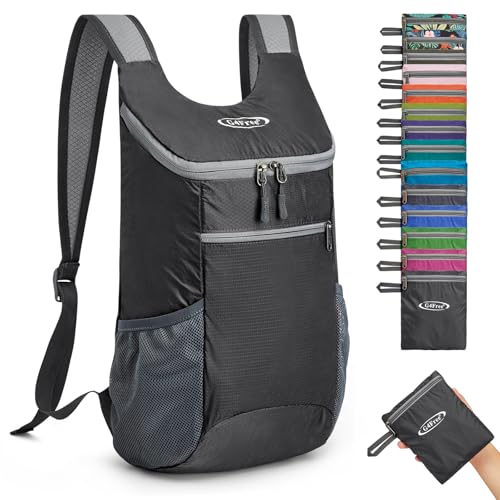
- ✓ Ultra-lightweight
- ✓ Packs down compact
- ✓ Practical organizeability
- ✕ Not heavy-duty rainproof
- ✕ Limited capacity
| Material | Polyamide (nylon) fabric |
| Weight | 4.59 oz (130 g) per packable backpack |
| Storage Capacity | Compact foldable design; main compartment plus front pocket and 2 side mesh pockets |
| Zippers | Durable SBS zippers |
| Water Resistance | Water-resistant (light rain, dirt protection) |
| Dimensions / Size | Compact unfolded size; designed for lightweight daily hiking and sightseeing |
I pulled this G4Free 10L pack from my backpack stash and immediately noticed how tiny it is when folded. It fits in the palm of my hand, yet unfurls into a real daily companion once you pop it open.
I took it on a city stroll and felt that first: it’s lighter than a snack bar wrapper, but sturdy enough to carry a water bottle and a light jacket without bulging.
The fabric feels rugged, with a slight matte finish that doesn’t squeak against your shirt. The zippers glide smoothly, and those two main compartments actually help me dodge the “stuff everywhere” chaos I hate.
I slipped my passport and cards into the front pocket for quick access during a park tour—super handy when you’re hopping between exhibits.
Comfort is where this little guy earns extra points. The straps are thin but surprisingly mouldable, so they sit pretty well on my shoulders even after a couple of hours of sightseeing.
It doesn’t feel bulky, which matters when you’re weaving through crowds or climbing up a hill for a lookout.
On a drizzly afternoon, I tested the water resistance just enough to know it won’t soak your snacks in a light shower. It’s not a heavy-duty rain shield, but it does enough to keep day-trip essentials dry during casual use.
And when you’re done, it stuffs back into its tiny pouch without drama.
If you’re chasing a “don’t notice me” pack for daily walking, this fits the brief. It’s simple, dependable, and folds away when you don’t need it—perfect for a plug-in, plug-out sightseeing routine.
JANSBEN Small Convertible Backpack Purse – 11″ Tablet

| Dimensions (L x W x H) | 9.8 x 4.7 x 11.8 inches |
| Weight | Approximately 1.1 lb |
| Material | Water-resistant vegan leather (soft pebbled faux leather) |
| Carrying Options | Backpack, shoulder bag, or top-handle purse with adjustable backpack straps and detachable shoulder strap |
| Main Compartments | Two main compartments with multiple pockets (sized to fit an 11-inch tablet) |
| Hidden Security Pocket | Concealed zipper pocket on back panel for passport, cards, cash, or phone |
You notice it right away: this little JANSBEN bag sits lighter on your shoulder than you’d expect for something that suddenly holds an 11-inch tablet. Compared to bulkier travel backpacks you’ve tried, the compact silhouette feels almost sneaky in how much it can carry.
The three carrying options give you instant flexibility. You can switch from backpack straps to a detachable shoulder strap in moments, then slip it into a quick top-handle grab when you’re hopping in and out of cafes.
It feels thoughtfully engineered, not gimmicky.
In your day of sightseeing, the 9.8 x 4.7 x 11.8 inch frame holds just enough without bulging. The two main compartments keep the tablet, phone, wallet, and a small makeup kit neatly separated.
You’ll appreciate the strategic pockets for cords and sunglasses, which stay accessible but organized.
That hidden rear zipper pocket is a neat touch. You can slide in your passport or cards and forget about digging through the main compartment in crowded streets.
It’s the kind of feature you miss when it isn’t there, especially on busy subway days.
The vegan leather feels easy to wipe and holds up to light rain or splashes. The hardware is sturdy and the zippers glide smoothly, which matters when you’re rushing to catch a train or cross a busy crosswalk.
It’s not a laptop bag, and you’ll notice the weight tips a bit when you push beyond your tablet-and-wallet loadout. Still, the overall feel is surprisingly practical for city days, weekend getaways, or museum trips without turning into a bulky briefcase.
Plus, the included wallet is a small but welcome bonus. It keeps extra cards and cash organized and matches the bag’s compact vibe.
For simple commutes or sightseeing itineraries, you’ll likely reach for this bag first. It checks most boxes without the fuss of a larger backpack, and the versatility genuinely shines in real-world use.
All told, you get a lightweight, versatile companion that scales with your day—from casual strolls to museum-hopping—without sacrificing organization or style.
PROS
– Lightweight and versatile
– Smart organizing pockets
– Hidden rear pocket
CONS
– Not a laptop bag
– Might feel small on very long trips
Waterfly 30L Packable Hiking Backpack – Ultralight Day Pack

- ✓ Ultra light and compact
- ✓ Clever wet pocket
- ✓ Quick-access organization
- ✕ Limited main compartment space
- ✕ Zipper durability concerns
| Expanded Dimensions (Unfold) | 19.3 x 12.5 x 8.6 inches |
| Folded Dimensions | 7.5 x 7.9 x 1.97 inches |
| Weight | 420 g |
| Materials | Tear- and water-resistant nylon |
| Capacity / Storage Layout | Main zipper compartment + front pocket + hidden pouch + two side pockets; waterproof wet pocket with back-access zipper |
| Special Features | Cable hole for power bank, internal pocket, SBS zipper, stress-point reinforcement, breathable S-shaped shoulder straps, adjustable chest strap |
I found something surprising tucked inside the Waterfly 30L: a pocket that folds into almost nothing, then unfolds into a sturdy daypack right when you need it. I grabbed it from my suitcase during a city stroll, and the sandwich-sized fold caught my eye before I even filled it with snacks.
When you open it up, the 19.3 x 12.5 x 8.6 inch main body feels surprisingly sturdy for a ultralight pack. It weighs just 420g, so it never felt like a burden as I wandered through busy streets and shaded alleys.
The tear- and water-resistant nylon held up while I brushed past a few sprinkles and misty mornings.
The layout is genuinely practical for sightseeing days. There’s a hidden pouch and a front zip pocket for quick access, plus two side pockets for water or maps.
I appreciated the internal pocket and cable hole, which kept my power bank accessible without clutter. The back zipper to the wet pocket is a clever touch for sweaty shirts after a jog or a long museum hall.
Breathable, s-shaped shoulder straps kept my shoulders comfy, even with a light layer of sunscreen and a rain shell stuffed inside. The chest buckle adjusted easily, making it feel secure without squeezing.
The waterproof wet pocket impressed me most during a spontaneous splash-test at a fountain stop.
If you travel light, this pack nails the everyday duties. It hangs in your luggage like a spare bag that’s actually ready when you need it, whether you’re hopping between galleries or chasing late trains.
It’s a low-risk companion for travelers who want flexibility without adding bulk.
MATEIN Mini Backpack for Women, Stylish Daypack Purse, 2pcs

| Dimensions (L x W x H) | 12.5 x 10.5 x 6 inches |
| Material | Waterproof smooth polyester exterior with polyester lining |
| Main Compartment Features | Zippered pockets and organizer with multiple pockets, pen pockets, and key fob hook |
| Laptop/Tablet Compatibility | Separate compartment fits 11 inch tablet; 12.9 inch tablet not supported |
| Additional Organizer Bag | Soft polyester makeup organizer included for cosmetics, jewelry, cables, SD cards, etc. |
| Water Bottle Pocket | Side pocket accommodates up to 12 oz slim water bottle |
You’ve been on the hunt for something that won’t scream “backpack” but still packs a practical punch for short trips. The MATEIN Mini Backpack for Women sat on my desk, and the moment I opened it, the detachable bow detail felt like a little nod to everyday style.
It’s light enough to carry all day, yet it still has a sturdy feel that reminded me this isn’t just a cute purse—it’s a travel-minded tote in disguise.
The compact frame 12.5 x 10.5 x 6 inches slides under a cafe table without crowding the leg room, which is perfect for day trips or sightseeing strolls. I appreciate the separate compartment sized for an 11-inch tablet and the flexible main pocket with multiple zippered pockets for keys, sunglasses, and a small power bank.
The side pocket fits a slim 12 oz water bottle easily, so you don’t have to pause every time you’re thirsty.
During a quick museum run, the foam-padded shoulder strap stayed comfy, even with a light makeup pouch and compact umbrella inside. The waterproof polyester keeps the rain from turning my stuff into a soggy surprise.
The addition of the soft-organizer bag was a game-changer for cords, jewelry, and little gadgets—kept everything from tangling or getting lost.
What surprised me was how easy it is to swap from a casual day look to a slightly dressier one thanks to the chic bow accent and gold zippers. It’s not a full-size backpack, but it carries daily essentials, plus a few souvenirs, without tipping into bulky territory.
If you’re mindful of size, this little purse-for-essentials nails the balance between function and style.
Overall, it feels like a reliable companion for quick getaways, city wanderings, or a weekend with minimal baggage. It won’t replace a larger carry, but for what it is—a compact, organized, stylish daypack—it genuinely delivers.
Pros
Compact yet capable
Detachable bow detail
Well-organized pockets
Cons
Small-laptop limitation
Limited A4 capacity
G4Free 40L Lightweight Packable Hiking Backpack, Waterproof
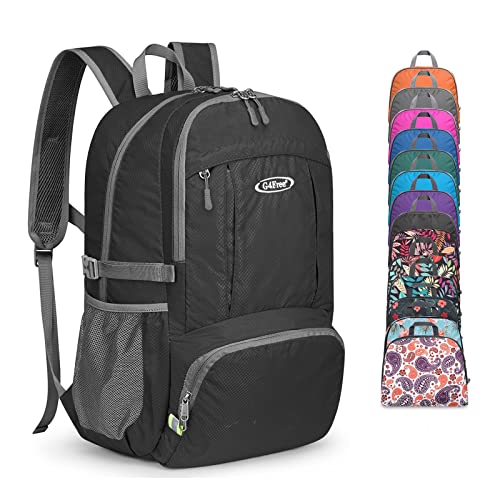
- ✓ Very lightweight
- ✓ Packable into own pocket
- ✓ Wet pocket design
- ✕ Limited back support
- ✕ Basic shoulder padding
| Capacity | 40 L |
| Unfolded Dimensions | 45.3 cm × 32.8 cm × 24.0 cm (18.9 in × 12.9 in × 9.4 in) |
| Folded Size | 23.9 cm × 22.1 cm (9.4 in × 8.7 in) |
| Material & Weather Resistance | Nylon fabric with water-resistant and tear-resistant construction |
| Weight | 1 lb (approximately 0.45 kg) |
| Compartmentalization | Main zipper compartment + 2 front pockets + 1 hidden front pouch + 2 side pockets + internal separator + small zippered pocket |
The first time I slipped this G4Free 40L pack into my hands, the pocketed fold opened like a mini suitcase, and I could feel how light it was in a way that makes you forget you’re wearing a bag at all. I pulled on the shoulder straps and the S-type padding immediately softened the pressure, which is exactly what you want when you’ll be strolling through sightseeing crowds all day.
Unfolding it felt almost magical. It expands to a roomy 40 liters, with a main compartment, a front pocket, a hidden zip, and two side pockets that actually stay reachable when you’re ducking in and out of temples or markets.
I stashed a rain jacket, water bottle, map, and a compact towel without feeling like I’d overpacked.
The wet pocket back design surprised me in a good way. It kept my phone and wallet dry while I wandered near a fountain, and I appreciated not having to juggle damp clothes or towels with everything else.
It’s a small detail, but it changes how you pack on a hot day when you’re switching between indoors and outdoors.
The fabric feels sturdy enough for day trips and light hikes, with double stitching at the seams and durable zippers. It folds neatly back into its own front pocket, which is a godsend when you’re hopping into a subway or grabbing souvenirs at the end of the day.
It’s comfortable enough for all-day wear, even with a heavy load.
For city sightseeing, the balance of capacity, packability, and water resistance is spot-on. The whistle buckle on the chest strap is a tiny safety feature that actually feels thoughtful when you’re navigating busy streets or narrow alleys.
Overall, you get a practical, versatile daypack that’s easy to carry, easy to store, and ready for anything from market-hopping to a gentle hike.
What Should You Consider When Choosing the Best Backpack for Sightseeing?
When choosing the best backpack for sightseeing, several factors should be taken into consideration to ensure comfort, functionality, and style.
- Size: The size of the backpack is crucial for balancing capacity and portability. A medium-sized backpack typically holds essentials like water, snacks, a camera, and a light jacket without being cumbersome during your outings.
- Comfort: Comfort is key, especially if you plan to walk for long periods. Look for backpacks with padded shoulder straps, breathable back panels, and adjustable straps to ensure a good fit and reduce strain on your back.
- Material: The material affects both durability and weather resistance. Opt for backpacks made from water-resistant or waterproof materials to protect your belongings from unexpected rain, and ensure they can withstand wear and tear from daily use.
- Organization: Good organization features, such as multiple compartments and pockets, help keep your items easily accessible and neatly arranged. Consider a backpack with designated pockets for electronics, water bottles, and personal items to simplify your sightseeing experience.
- Style: Aesthetics matter when choosing a backpack for sightseeing, as you may want it to complement your outfit. Look for a design that reflects your personal style while being versatile enough to blend in with various settings.
- Weight: A lightweight backpack is essential for comfort during long days of exploration. Heavy backpacks can cause fatigue, so choose one that is light enough to carry without compromising on storage space.
- Security features: Security features such as lockable zippers or hidden pockets can provide peace of mind when carrying valuables. This is particularly important in crowded tourist areas where pickpocketing can be a concern.
How Important Is Weight and Size for a Sightseeing Backpack?
When selecting the best backpack for sightseeing, weight and size are critical factors to consider.
- Weight: A lightweight backpack is essential for long days of exploration, as it reduces strain on your back and shoulders.
- Size: The size of the backpack should be appropriate for carrying all your necessities without being overly bulky or cumbersome.
- Capacity: The capacity of the backpack, usually measured in liters, determines how much you can pack, balancing between enough space for essentials and keeping it manageable.
- Fit: A well-fitted backpack distributes weight evenly across your body, enhancing comfort during extended use while sightseeing.
- Compactness: A more compact design makes it easier to navigate crowded areas, public transport, and narrow streets often encountered during sightseeing.
The weight of the backpack plays a significant role in comfort, especially when walking for hours. A heavier backpack can lead to fatigue and discomfort, so opting for materials that are both durable and light is crucial.
Size is another vital consideration; it should be spacious enough to hold your essentials like water, snacks, a camera, and personal items, yet not so large that it becomes unwieldy. A backpack that is too big may cause you to overpack, leading to unnecessary weight.
Capacity is important as it dictates how much you can bring along. Aim for a capacity that allows you to carry your items comfortably, like a day pack in the range of 15 to 30 liters for day trips.
The fit of the backpack affects how well it sits on your body; adjustable straps and padded areas can help achieve a better fit, which enhances comfort and reduces stress on your body while sightseeing.
Lastly, compactness is crucial in urban environments. A backpack that can be easily stowed or that features a slim profile can help you glide through crowded areas without hassle, allowing for a more enjoyable sightseeing experience.
What Features Enhance Comfort and Convenience for Sightseeing?
Several features can significantly enhance comfort and convenience when selecting the best backpack for sightseeing:
- Ergonomic Design: An ergonomic design ensures that the backpack fits comfortably against the body, distributing weight evenly to reduce strain on the back and shoulders. Look for padded straps and a contoured shape that conforms to the body’s natural curves.
- Multiple Compartments: A backpack with multiple compartments helps keep your belongings organized and easily accessible. This feature allows you to separate items like cameras, snacks, and maps, making it simpler to find what you need without rummaging through everything.
- Water-Resistant Material: Choosing a backpack made from water-resistant materials can protect your belongings from unexpected rain or spills. This feature is particularly useful for sightseeing, as it ensures that your electronics and documents stay dry even in unpredictable weather.
- Lightweight Construction: A lightweight backpack reduces the overall load you carry, making it easier to explore for extended periods without fatigue. Look for materials like nylon or polyester that provide durability without adding unnecessary weight.
- Comfortable Back Padding: Adequate padding on the back panel of the backpack enhances comfort, especially during long days of walking. This feature also improves airflow, helping to keep you cool while you carry your gear.
- Adjustable Straps: Adjustable straps allow you to customize the fit of the backpack, ensuring that it sits correctly on your body. This feature can help prevent shifting and bouncing while you walk, enhancing overall comfort.
- Side Pockets: Side pockets are convenient for storing water bottles or other quick-access items, allowing you to stay hydrated without having to dig through your backpack. This feature promotes convenience while on the go, making it easier to grab essentials when needed.
- Reflective Elements: Reflective elements on a backpack improve visibility in low-light conditions, which is beneficial for evening sightseeing or in crowded urban areas. This feature enhances safety while ensuring that you remain seen by others.
Which Materials Are Recommended for Durability and Weather Resistance?
The most recommended materials for durability and weather resistance in backpacks are:
- Nylon: Known for its strength and resistance to abrasion, nylon is a popular choice for outdoor backpacks. It is lightweight and can be treated with water-resistant coatings, making it ideal for varying weather conditions.
- Polyester: This material offers good UV resistance and is less prone to fading over time compared to nylon. While not as strong as nylon, polyester is often used in backpacks due to its affordability and ability to repel water when treated properly.
- Canvas: A classic choice, canvas is made from cotton or a blend of cotton and synthetic fibers and is known for its rugged durability. It often has a thicker weave, providing excellent resistance to wear and tear, but may require additional waterproofing treatments for effective weather resistance.
- Ripstop Fabric: This is typically made of nylon or polyester and features a special weaving technique that makes it resistant to tearing and ripping. It’s lightweight yet strong, making it a great option for backpacks that need to endure tough conditions.
- GORE-TEX: A high-performance fabric that is both waterproof and breathable, GORE-TEX is often used in premium backpacks. It allows moisture to escape while preventing water from entering, making it ideal for wet weather activities.
- Ballistic Nylon: Originally developed for military use, ballistic nylon is an exceptionally tough material that offers excellent resistance to abrasions, tears, and scuffs. Its added thickness makes it heavier, but it provides outstanding durability for those seeking a long-lasting backpack.
What Are the Most Popular Backpacks for Sightseeing According to Users?
The most popular backpacks for sightseeing typically combine comfort, functionality, and style to enhance the travel experience.
- Osprey Daylite Plus: This versatile backpack is highly praised for its lightweight design and ample storage space, making it ideal for day trips. It features multiple pockets, including a hydration reservoir sleeve, and a comfortable harness system that allows for extended wear without discomfort.
- Patagonia Black Hole Mini Messenger: Known for its durability and weather resistance, this compact messenger style backpack is perfect for urban sightseeing. It offers a sleek design with an easy-to-access main compartment and an adjustable shoulder strap for comfort while navigating through crowded areas.
- Deuter Speed Lite 20: This minimalist backpack is favored for its lightweight and streamlined design, perfect for those who prefer to travel light. It includes a ventilated back system for comfort and a quick-access front pocket to keep essentials easily reachable during excursions.
- North Face Borealis Backpack: This backpack is designed with travelers in mind, featuring multiple compartments for organization and a comfortable suspension system. Its external bungee system allows for quick storage of jackets or other gear, making it a practical choice for varied sightseeing activities.
- REI Co-op Flash 22: This ultralight backpack is great for those who want a simple, no-frills option while exploring. It offers a minimalistic design with adjustable straps and a breathable back panel, ensuring comfort during long walks or hikes.
- Fjällräven Rucksack 15: Combining style with functionality, this backpack is made from durable materials and features a classic design that’s ideal for city tours. Its padded laptop sleeve and spacious interior make it a great choice for both sightseeing and everyday use.
How Do Customer Reviews Influence the Choice of a Sightseeing Backpack?
Customer reviews play a significant role in influencing the choice of the best backpack for sightseeing by providing insights based on real experiences.
- Quality and Durability: Customer reviews often highlight the quality and durability of a backpack, which are crucial for sightseeing as these bags need to withstand various weather conditions and rough handling. Users frequently comment on materials used, stitching quality, and how well the backpack holds up over time, helping potential buyers gauge if it’s a worthwhile investment.
- Comfort and Fit: Many reviews focus on the comfort and fit of the backpack, particularly for longer sightseeing tours. Customers often share their experiences regarding padding, adjustability of straps, and overall weight distribution, which can significantly affect the user’s experience during extended use.
- Capacity and Organization: Customers frequently discuss the capacity and organizational features of the backpack, such as compartments and pockets. Reviews that detail how well the backpack accommodates essentials like water bottles, cameras, and travel documents can guide buyers in selecting a bag that meets their specific sightseeing needs.
- Versatility and Style: Reviews often reflect on the versatility and style of the backpack, indicating whether it’s suitable for various settings beyond sightseeing, such as casual outings or travel. User feedback can help prospective buyers choose a backpack that not only serves functional purposes but also aligns with their personal style.
- Price vs. Value: Customer reviews often provide insights into how the price of the backpack correlates with its value. Many users discuss whether they feel the backpack was worth the investment based on its performance and features, aiding potential buyers in making cost-effective decisions.
What Are the Cost Expectations for a Quality Sightseeing Backpack?
The cost expectations for a quality sightseeing backpack can vary widely based on features, brand, and materials used.
- Budget Range ($30 – $80): In this price range, you can find functional and lightweight backpacks suitable for day trips.
- Mid-Range ($80 – $150): These backpacks often feature better materials, added comfort, and more organization options, making them more suitable for longer sightseeing adventures.
- Premium Range ($150 and above): High-end backpacks come with advanced features such as weather resistance, ergonomic designs, and specialized compartments for gear, appealing to serious travelers.
In the budget range, backpacks typically offer simple designs with minimal padding and basic features, making them ideal for short excursions but less durable for extensive use. They are often made from synthetic materials that can withstand occasional rain but may not be as comfortable for all-day wear.
Mid-range backpacks strike a balance between cost and functionality, usually incorporating padded straps, breathable materials, and multiple pockets for organization. These backpacks are designed for comfort during longer outings, often including features like hydration reservoirs or laptop compartments, which are beneficial for travelers who want to combine sightseeing with work.
In the premium range, you are likely to find backpacks crafted from high-quality, durable materials that offer excellent weather resistance and may include additional features like built-in charging ports or anti-theft designs. These backpacks are intended for serious adventurers and frequent travelers, providing superior comfort and functionality that can justify the higher price point.
Why Is a Backpack the Best Choice for Sightseeing Compared to Other Bag Types?
| Feature | Backpack | Shoulder Bag | Handbag |
|---|---|---|---|
| Convenience | Allows for hands-free movement, ideal for taking photos or using maps. | Accessible but can cause shoulder strain during long walks. | Often requires a hand to carry, limiting mobility. |
| Capacity | Spacious, can hold essentials and extra items like water bottles or snacks. | Limited space, often only fits a few small items. | Usually minimal storage, not ideal for day trips. |
| Comfort | Even weight distribution across both shoulders reduces fatigue. | Can lead to discomfort and uneven weight distribution. | Not designed for long wear, can be tiring to carry. |
| Security | Typically features zippers and compartments that are harder for pickpockets to access. | More vulnerable to snatching, especially in crowded areas. | Easy to grab but can be easily taken without notice. |
| Weight | Generally lightweight, allowing for easy carrying over extended periods. | Can be heavier, especially when carrying multiple items. | Varies widely, but often heavier due to materials and structure. |
| Durability | Made from robust materials that withstand wear and tear, suitable for various weather conditions. | Less durable, often made from lighter materials that may not hold up over time. | Typically less durable and not designed for rugged use. |