
As the season winds up and you start planning outdoor family time, I’ve put four popular baby carrier backpacks through real-world tests. I slammed them with long hikes, city strolls, and quick store runs, checking how each feels, fits, and supports tiny travelers. I compared weight, padding, storage, and sun protection, then weighed how easy they are to share between caregivers.
My verdict comes down to durability, comfort, and practical features you actually use. The standout is the product that stays supportive during hours on the trail, keeps baby shaded, and still fits your gear without turning every trip into a logistics puzzle. Read on for the best choice that checks all the boxes and why it outperforms the rest. After extensive testing, I found the Osprey Poco SLT Lightweight Child Carrier Backpack, Green OS to be the standout choice.
Top Recommendation: Osprey Poco SLT Lightweight Child Carrier Backpack, Green OS
Why We Recommend It: The Poco SLT blends a lightweight frame with strong support: 4.72 lb weight, six inches of torso adjustment for multiple wearers, and a ventilated AirScape backpanel for hot days. It includes a fold-flat design for storage, a built-in sunshade option, and excellent stability with secure 5-point belts and sturdy stirrups. Compared with heavier or less adjustable models (e.g., Luvdbaby and ClevrPlus), the Poco SLT offers easier handling, better airflow, and a more compact travel footprint—ideal for frequent hikers and travelers who need comfort plus long-lasting durability.
Best baby carrier backpack: Our Top 4 Picks
- Luvdbaby Hiking Baby Carrier Backpack (Up to 40 lb) – Best Hiking Baby Carrier Backpack
- ClevrPlus Cross Country Baby Backpack Carrier (Grey) – Best for Travel
- Osprey Poco SLT Lightweight Child Carrier Backpack, Green OS – Best Ergonomic Baby Carrier Backpack
- Osprey Poco LT Lightweight Child Carrier (Tan, OS) – Best for Everyday Use
Luvdbaby Hiking Baby Carrier Backpack (Up to 40 lb)

- ✓ Comfortable weight distribution
- ✓ Thoughtful storage pockets
- ✓ Removable sun visor
- ✕ Bulkier when empty
- ✕ Higher price tag
| Weight Capacity | Up to 40 lb (approx. 18 kg) |
| Materials | Waterproof Ripstop Polyester |
| Carry System | Padded cocoon with adjustable height, heavily padded shoulder straps and load-bearing waist belt |
| Safety Features | Removable sun visor; safety straps and stirrups |
| Storage & Pockets | Multiple pockets including mesh pockets and insulated bottle pocket |
| Extras | Foldable diaper changing pad included |
The moment I realized the sun visor folds away into a neat little pocket, I knew this carrier would stick with me on longer hikes. You’ll notice it first in the small touches—the visor stows cleanly, and the harness feels thicker where you actually need it.
It’s the kind of detail that makes you think, “Okay, this is going to be comfortable.”
You’ll appreciate the padded cocoon for your little one, complete with adjustable safety straps and stirrups. It feels secure without being suffocating, and the fabric breathes so you don’t worry about overheating mid-trail.
The back panel and wide belt distribute weight well, so your shoulders don’t scream after a few kilometers.
Storage is thoughtful without being overwhelming. There are mesh pockets within easy reach for snacks, a phone, or a small toy, plus an insulated bottle pocket that actually keeps the bottle cool in warm weather.
When you’re ready for a quick stop, the foldable diaper changing pad slips out smoothly and lays flat on uneven ground.
The carrier feels sturdy in use, with waterproof ripstop material that shrugs off light rain and splashes. Set-up is straightforward: height-adjustable straps let you dial in the right fit for you and your growing toddler.
It’s obvious this thing is built to last, not just to look good on Instagram.
If you’re planning those long park days or forest hikes, you’ll notice how the design minimizes strain and keeps your child snug and supported. It’s the kind of product that earns a second look from fellow hikers who notice the little details you’ll likely rely on.
Overall, you get a capable, durable carrier that covers comfort, safety, and practical on-the-go needs without compromise.
ClevrPlus Cross Country Baby Backpack Carrier (Grey)
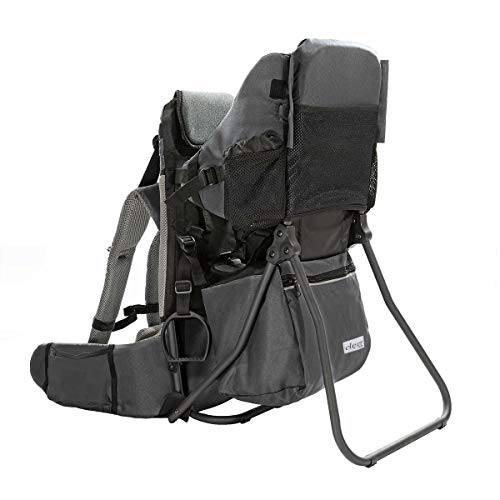
- ✓ Solid one-piece frame
- ✓ Comfortable weight distribution
- ✓ Generous storage space
- ✕ A bit heavy to lift
- ✕ Bulky when not in use
| Weight (Carrier) | 5.5 pounds |
| Weight Capacity / Maximum Child Weight | Up to 33 lbs (9-48 months) |
| Seat Adjustability / Growth Range | Adjustable seat to accommodate height as child grows |
| Safety Harness / Restraints | 5-point seat belts with foot stirrups |
| Storage / Included Accessories | Ample storage compartments including a baby changing pad; space for bottles, diapers, sweaters, phone, keys |
| Weather Protection Features | Sun canopy and rain cover included |
You’re hiking with a curious toddler who suddenly decides to lean back and stare at the trees for the hundredth time. The weight shifts, the straps rub, and you start recalculating the trail you’ll survive with a baby on your back.
Then you lock into the ClevrPlus Cross Country Backpack, and that “okay, we’ve got this” moment actually shows up. The one-piece frame feels solid right away, no fiddling with screws or loose parts, which is a real relief when you’re juggling snacks, a bottle, and a sleepy kid at lunchtime.
The seat adjusts as your little explorer grows, from about 9 months to 48 months, and you notice how the 5-point harness sits snug without pinching. It distributes weight nicely so you don’t feel like you’re carrying a brick on your shoulders after a couple of miles.
The hip belt and lumbar padding stay cool, which matters on sunny days when you’re lugging gear and a growing toddler.
Storage is surprisingly generous for a backpack carrier. You’ve got room for a changing pad, extra clothes, bottles, and your phone without feeling like you’ve stuffed everything into a cramped side pocket.
The sun canopy pops up quickly, and the rain cover tucks away neatly, so you’re not scrambling when the weather shifts mid-hike.
Setup is straightforward, and the adjustable waistband goes up to about 60 inches, which works for you and your partner’s builds. The drool pad is washable, and you can feel the extra stirrups supporting your kid’s feet when they’re dozing or wriggling along the trail.
It’s genuinely comfortable for longer days out, and you can tell the materials are built to handle a few seasons of adventures.
Overall, it blends safety, comfort, and practicality in a way that makes you actually want to take the next trail. It’s not a light daypack, but the trade-off for security and space feels worth it when you’re chasing a rambunctious toddler through the pines.
Osprey Poco SLT Lightweight Child Carrier Backpack, Green OS

- ✓ Lightweight and compact
- ✓ Easy height adjustment
- ✓ Breathable backpanel
- ✕ Sunshade sold separately
- ✕ Not for heavy hiking
| Frame/Folding Mechanism | Patented lightweight stainless steel frame with fold-flat design |
| Weight | 4.72 lb (2.14 kg) |
| Torso Adjustment Range | Six inches (15 cm) of torso adjustment |
| Backpanel/Comfort | Ventilated AirScape backpanel with deep-ridged foam and mesh |
| Storage/Portability | Folds for easy transport and storage; freestanding support when set down |
| Sunshade Compatibility | Optional UPF 50 sunshade (stored in built-in zippered compartment; sunshade sold separately) |
You’re at the park with a light breeze, and the sunshade tucked away in that small zippered compartment is a tiny sun saver you didn’t realize you needed until you’re chasing a rogue toddler around the carousel. The Poco SLT sits comfortably on your hips, a whisper compared to the last carrier you tried.
The frame folds down so neatly that you can slip it into the trunk between snacks and extra sweatshirts.
Unfolding is satisfying and quick, with a clean click as the frame locks. You’ll notice the torso adjustment—about six inches—let you swap between you and your partner without a fuss.
I appreciate how the AirScape backpanel breathes; even on a warm afternoon, there’s less dampness against your back after a longer walk.
The fit feels generous for a lightweight carrier, and the six-point adjustability helps you tailor the seat width and height as your little one grows. The carrier’s weight is distributed nicely, so you don’t feel like you’re carrying a brick after a couple of miles.
Storage is smart, too, with the fold-flat feature that makes it easy to stash in a bag or car seat tote when you’re transitioning between errands and a forested trail.
Handling on quick trips is where it shines: you can pop the sunshade in place, slide the child into a supported seat, and keep moving without reconfiguring your entire day. It’s not a full-on hiking pack, but for daily use, it’s intuitive, comfortable, and surprisingly capable for its size.
If you’re balancing between grandparent duties and mom-life, the ability to share the carrier without re-wrapping straps is a real win. The fold-flat design is a lifesaver when you’re trying to keep a car organized during a busy weekend.
Overall, you’ll find it’s easy to slip in and out of, comfortable enough for longer strolls, and thoughtfully designed for everyday adventures.
Osprey Poco LT Lightweight Child Carrier (Tan, OS)

- ✓ Lightweight yet solid
- ✓ Great airflow
- ✓ Built-in sunshade
- ✕ Higher price
- ✕ Slightly bulky when folded
| Frame / Support Structure | Lightweight folding stainless steel frame with secure locking |
| Torso Length Adjustment | 6 inches (15 cm) of torso length adjustability |
| Backpanel Ventilation | AirScape backpanel with deep ridged foam and breathable mesh for cooling |
| Sun Protection / Shade | Integrated UPF 50 deployable sunshade in a zippered pocket |
| Weight | 5.56 lb (2.52 kg) |
| Item Dimensions | 23.6 H x 13.8 W x 16.9 D inches |
You’ve probably heard that all lightweight carriers mean you sacrifice support and airflow. Not this one.
When I unstrapped the Poco LT, the first thing that stood out was the folded frame—stainless steel—sitting neatly in its own sleeve, ready to tuck into the car trunk or a tight Airbnb closet. It’s not just travel-friendly; it feels sturdy enough to trust with a wiggly toddler.
Slung on, the torso adjusters click into place with a confident feel, and you’ll notice the panel hugs your back without pinching or chafing. The AirScape backpanel?
It’s more than a cooling marketing line; the ridged foam and breathable mesh actually cut down sweat during longer strolls.
The sunshade deploys from a discreet zippered pocket like a tiny shield, and it stays taut without flopping when you lean over a curb or chase a kid through a sunny park. The carrier sits balanced, and the weight feels centered even as your toddler shifts from side to side.
It’s a relief when you’re juggling cups, snacks, and a stroller handle in a crowded store line.
Storage is sensible, with everything you need within easy reach. The 6-inch torso adjustment makes swapping between caregivers painless, which is a real win for families that share gear or have grandparents visiting for the weekend.
In real-world use, the Poco LT shines on crowded sidewalks, airports, and quick grocery runs. It handles subtle bumps from kids stepping back into your path without tipping you over, and the sunshade adds a simple, effective shield on the sunniest days.
Overall, it’s a compact, comfortable, travel-friendly option that doesn’t force you to trade protection for portability.
What Should You Consider When Choosing the Best Baby Carrier Backpack?
When choosing the best baby carrier backpack, several factors should be considered to ensure comfort, safety, and convenience for both the parent and the child.
- Comfort for the Parent: It’s crucial that the backpack provides adequate support and comfort for the parent. Look for padded shoulder straps, a supportive waist belt, and adjustable features that allow for a customized fit, which can help distribute the weight evenly and reduce strain during long hikes.
- Comfort for the Child: The baby carrier should also prioritize the comfort of the child. Ensure that the seat is well-padded, provides proper head and neck support, and allows the child to sit in an ergonomic position to prevent discomfort during long periods of use.
- Safety Features: Safety is paramount when selecting a baby carrier backpack. Check for features such as a secure harness system, sturdy buckles, and a reliable frame to ensure that the child is safely secured and protected from falls or accidents.
- Weight Capacity: Different baby carrier backpacks have varying weight capacities, so it’s important to choose one that can accommodate your child as they grow. Be mindful of the manufacturer’s recommendations to ensure that the carrier will remain safe and functional as your child gains weight.
- Storage Options: A good baby carrier backpack should offer ample storage for essentials like snacks, diapers, and personal items. Look for additional pockets and compartments that can help keep your belongings organized and easily accessible while on the go.
- Durability and Material: The materials used in the construction of the baby carrier backpack should be durable and weather-resistant. Investing in a high-quality backpack made from robust materials will ensure that it withstands the wear and tear of outdoor adventures and various weather conditions.
- Ease of Use: Consider how easy it is to put on and take off the backpack, as well as how simple it is to load and unload your child. A user-friendly design can make a significant difference, especially when navigating crowded areas or when in a hurry.
- Adjustability: An adjustable baby carrier backpack can accommodate multiple users, making it versatile for families with different sized parents. Look for adjustable straps and a flexible design that can be easily modified to fit various body types.
- Ventilation: Proper ventilation is important for both the parent and child to stay comfortable during warmer weather. Look for backpacks that feature breathable fabrics and mesh panels to allow airflow and reduce overheating.
- Style and Design: While functionality is key, the aesthetics of the baby carrier backpack can also be important. Choose a design that matches your personal style and preferences, as this will make the experience more enjoyable for you.
What Are the Key Features of a High-Quality Baby Carrier Backpack?
The key features of a high-quality baby carrier backpack include comfort, safety, adjustability, durability, and storage options.
- Comfort: A good baby carrier backpack should have padded shoulder straps and a supportive waist belt to distribute weight evenly. This ensures that both the caregiver and the baby remain comfortable during long periods of wear.
- Safety: The carrier must have secure harness systems that keep the baby safe and snug. Features such as safety buckles and sturdy construction are essential to prevent accidents and ensure peace of mind for caregivers.
- Adjustability: High-quality backpacks often come with adjustable features that allow for a customizable fit for different body types. This includes adjustable straps and a height-adjustable seat to grow with the baby, ensuring a secure and comfortable fit at all stages.
- Durability: The materials used in the construction of the baby carrier backpack should be robust and weather-resistant. High-quality stitching and fabric will ensure that the backpack can withstand regular use and various environmental conditions without compromising its integrity.
- Storage Options: Many baby carrier backpacks come with additional pockets and compartments for carrying essentials like diapers, wipes, and snacks. This feature allows caregivers to have everything they need within reach while on the go, making outings more convenient.
How Important is Comfort for the Baby in a Carrier Backpack?
- Proper Support: A good baby carrier backpack should provide adequate support for the baby’s head, neck, and spine, especially for infants. This helps ensure proper alignment and reduces the risk of discomfort or injury during long periods of use.
- Padding and Cushioning: The carrier should have sufficient padding in both the shoulder straps and the back panel. This cushioning helps distribute the weight evenly, preventing pressure points that can lead to discomfort for both the baby and the caregiver.
- Breathable Materials: Using breathable fabrics in the carrier backpack is essential to keep the baby comfortable, especially in warm weather. This prevents overheating and ensures that the baby remains relaxed during outings.
- Adjustable Fit: A carrier that allows for adjustments ensures that the baby is snug and secure without being too tight. This flexibility accommodates the baby’s growth and varying clothing layers, contributing to their overall comfort.
- Easy Entry and Exit: A design that allows for easy placement and removal of the baby enhances comfort for both the parent and the baby. This prevents unnecessary fussing and stress during transitions in and out of the carrier.
- Weight Distribution: A well-designed carrier backpack distributes the baby’s weight effectively across the caregiver’s body. This minimizes strain on the back and shoulders, allowing for longer, more comfortable carrying experiences.
What Safety Standards Should a Baby Carrier Backpack Meet?
The safety standards for a baby carrier backpack are essential to ensure the well-being of both the baby and the caregiver.
- Weight Limit: It’s important for a baby carrier backpack to specify a maximum weight limit to ensure that it can safely support the child as they grow. Exceeding this limit can lead to instability and potential accidents, making it crucial for parents to adhere to these guidelines.
- Safety Harness: A secure safety harness is vital for keeping the baby safely strapped in while in the carrier. This harness should feature multiple points of adjustment and be made from durable materials to prevent any accidental slips or falls during use.
- Frame Stability: A sturdy frame is necessary to provide support and balance, especially on uneven terrain. The carrier should be designed to prevent tipping and should offer adequate support to distribute the weight evenly across the caregiver’s body.
- Material Quality: The materials used in the construction of the baby carrier backpack should be non-toxic and free from harmful chemicals. Additionally, they should be breathable and easy to clean, ensuring both safety and comfort for the baby.
- Ease of Use: The design should allow for easy and secure loading and unloading of the baby. Features like adjustable straps and quick-release buckles can enhance usability and ensure that parents can efficiently manage the carrier while on the go.
- Compliance with Safety Standards: The carrier should meet relevant safety standards set by organizations such as ASTM International or the Consumer Product Safety Commission (CPSC). Compliance with these standards indicates that the product has been rigorously tested for safety and performance.
- Adjustability: An adjustable design helps accommodate various body sizes and shapes, ensuring a comfortable fit for different caregivers. This feature is important for maintaining proper posture and reducing the risk of injury during extended use.
- Sunshade and Weather Protection: Additional features like a sunshade or rain cover can enhance safety by protecting the baby from harsh weather conditions. These elements should be easy to deploy and secure to ensure that the baby remains comfortable and safe regardless of the environment.
What Types of Baby Carrier Backpacks Are Available?
There are several types of baby carrier backpacks available to suit different needs and preferences.
- Framed Backpack Carriers: These carriers feature a rigid frame that supports the baby and allows for a more structured carrying experience.
- Soft Structured Carriers: These carriers combine elements of traditional wraps with the support of a structured design, offering versatility and comfort.
- Wrap Carriers: Made from fabric, these carriers allow parents to wrap the baby securely against their body, providing a snug and cozy fit.
- Mei Tai Carriers: A hybrid of traditional and modern styles, these carriers consist of a rectangular piece of fabric with straps that tie around the waist and shoulders, allowing for adjustable support.
- Hip Seat Carriers: These carriers feature a built-in seat that allows the baby to sit comfortably on the hip, making it easy for parents to carry their child while keeping their hands free.
Framed Backpack Carriers: These carriers are ideal for outdoor adventures and hiking, as they offer excellent support and stability for both the child and the wearer. The frame typically allows for a higher center of gravity, making it easier to carry heavier babies or toddlers over uneven terrain.
Soft Structured Carriers: These carriers are popular for their ease of use, as they often come with adjustable straps and padding for comfort. They can be used in various carrying positions, including front, back, and hip carries, making them versatile for different activities and preferences.
Wrap Carriers: Designed for versatility, wrap carriers are typically made from stretchy or woven fabric, allowing for a custom fit for both the parent and the baby. Though they require a bit of practice to tie correctly, they provide excellent closeness and comfort, making them suitable for newborns and young infants.
Mei Tai Carriers: These carriers blend the simplicity of wraps with the support of structured carriers, making them easy to use for parents who prefer a traditional look. The adjustable straps allow for a personalized fit, and they can be worn on the front or back, providing flexibility for different carrying styles.
Hip Seat Carriers: These carriers are great for parents who want to carry their child in a way that allows for easy access and quick adjustments. The hip seat provides a solid platform for the baby to sit on, reducing strain on the wearer’s back and making it a comfortable option for longer wear.
How Does a Framed Backpack Carrier Compare to a Soft-Structured Carrier?
| Feature | Framed Backpack Carrier | Soft-Structured Carrier |
|---|---|---|
| Weight Distribution | Evenly distributes weight across the hips and shoulders, reducing strain. | Focuses weight on the shoulders, which may lead to fatigue over long periods. |
| Comfort | Designed for longer hikes with padded straps and back support. | More snug and may feel restrictive, but fits well around the child. |
| Storage Capacity | Often includes pockets for gear, making it ideal for outdoor activities. | Limited storage, typically just for essentials like keys and phone. |
| Versatility | Best for hiking and long walks, not ideal for quick trips. | Great for casual outings and can be used in various settings. |
| Weight Limit | Typically supports up to 50 lbs. | Usually supports up to 35 lbs. |
| Age Range Suitability | Best for children 6 months and older. | Suitable for newborns to toddlers. |
| Ease of Use | Can be more complex to put on and adjust. | Generally easier to put on and take off. |
| Safety Features | Includes a secure harness and safety straps. | Features a secure harness but may lack safety straps. |
What Are the Advantages of Using a Baby Carrier Backpack Over Other Methods?
The advantages of using a baby carrier backpack over other methods include comfort, versatility, and ease of use.
- Comfort for Parent and Child: Baby carrier backpacks are designed to distribute weight evenly across the parent’s body, which can reduce strain on the back and shoulders during extended use. These backpacks often have padded straps and supportive frames that provide additional comfort for both the wearer and the child.
- Hands-Free Mobility: Using a baby carrier backpack allows parents to keep their hands free for other tasks, whether it’s hiking, shopping, or managing other children. This hands-free aspect is particularly beneficial for active parents who want to maintain their lifestyle while caring for their baby.
- Better Support for Growing Babies: Many baby carrier backpacks are designed to accommodate a growing child, offering support and safety for babies from infancy up to toddlerhood. They often have adjustable features that can be modified as the child grows, ensuring comfort and security throughout different stages.
- Versatile Use in Various Environments: Baby carrier backpacks are suitable for a range of activities, including hiking, walking, and traveling. Unlike traditional strollers, they allow parents to navigate uneven terrain and crowded spaces more easily, making them ideal for outdoor adventures or busy urban environments.
- Enhanced Bonding Experience: Carrying a baby in a backpack fosters closeness and bonding between parent and child. Being physically close can promote emotional attachment and provide a sense of security for the baby, making the experience beneficial for both parties.
- Storage Options: Many baby carrier backpacks come with built-in storage compartments for essentials such as diapers, snacks, and personal items. This added convenience allows parents to carry everything they need for a day out without the need for an additional diaper bag.
How Long Can You Use a Baby Carrier Backpack Effectively?
The effective usage duration of a baby carrier backpack can vary based on several factors including the child’s weight, the carrier’s design, and the parent’s comfort level.
- Age of the Child: The age at which you can start using a baby carrier backpack typically ranges from around six months to three years.
- Weight Limit: Most baby carrier backpacks have a specified weight limit, usually between 40 to 50 pounds, which can influence how long you can use them.
- Comfort and Ergonomics: The design and ergonomics of the carrier can affect how long you can comfortably carry your child.
- Activity Level: The type of activities you plan to engage in can determine the practicality of using a baby carrier backpack for extended periods.
The age of the child plays a crucial role in determining the effective use of a baby carrier backpack, as they should be able to sit up unaided and have good head and neck control before being placed in a backpack carrier. Generally, this means you can start using the carrier when your baby is around six months old and you can continue until they are about three years old, depending on their size and development.
Weight limits are an essential aspect to consider when selecting a baby carrier backpack. Most models cater to children weighing between 40 to 50 pounds, and keeping within this limit ensures safety and comfort for both the child and the parent. Exceeding these limits can lead to instability and discomfort during use.
The comfort and ergonomics of the carrier are vital for extended use, as parents should look for features like adjustable straps, padded areas, and lumbar support. A well-designed carrier will distribute the child’s weight evenly across the parent’s back and shoulders, reducing strain and allowing for longer periods of wear without discomfort.
Your activity level will also influence how long you can effectively use a baby carrier backpack. If you plan to engage in casual walks, shorter hikes, or daily errands, a carrier can be used for several hours at a time; however, for more strenuous activities like long hikes, you may need to take breaks to avoid fatigue.
What Are the Most Recommended Baby Carrier Backpacks for Various Needs?
The most recommended baby carrier backpacks cater to various needs, offering comfort, safety, and convenience for parents and babies alike.
- Deuter Kid Comfort 2: This backpack is known for its exceptional comfort and ergonomic design, featuring a padded hip belt and adjustable back system.
- Osprey Poco LT: Lightweight and versatile, this carrier is perfect for hiking and outdoor adventures, with a built-in sunshade and ample storage space.
- Tula Explore: A popular choice for its versatility, this carrier allows for multiple carrying positions and is suitable for infants and toddlers alike.
- Ergobaby Omni 360: This carrier offers all-in-one functionality with the ability to carry your baby in multiple positions while ensuring proper ergonomics for both baby and parent.
- Kelty Journey Perfectfit: Designed with a focus on comfort, this carrier includes an adjustable torso length, making it easy to fit various body types.
- Babymoov Stretch Carrier: This soft-structured carrier is designed for short trips and quick outings, providing a snug fit and ease of use for parents on the go.
Deuter Kid Comfort 2: This baby carrier backpack is favored by many for its superior comfort, featuring a padded back panel and a suspension system that distributes weight evenly. The adjustable harness and seat ensure a snug fit for your child, while the ample storage pockets allow you to carry essentials for long hikes.
Osprey Poco LT: Known for its lightweight design, the Osprey Poco LT is built for those who love outdoor activities. It includes a built-in sunshade to protect your child from harmful rays and has additional storage compartments to carry snacks and gear, making it ideal for family adventures.
Tula Explore: This carrier is versatile, allowing for front and back carry positions, which adapts as your child grows. Its adjustable design ensures that it can comfortably accommodate infants and toddlers, with a soft fabric that provides comfort for both the wearer and the child.
Ergobaby Omni 360: This all-in-one carrier is designed for the modern parent, allowing for front-inward, front-outward, hip, and back carry options. It features a structured bucket seat to support your baby’s hips and spine, ensuring proper ergonomics while providing convenience for parents during long periods of use.
Kelty Journey Perfectfit: This carrier stands out with its adjustable torso length, making it suitable for parents of various heights. It also includes a sunshade and storage pockets, ensuring that you can take everything you need for a day out while keeping your child comfortable.
Babymoov Stretch Carrier: This soft-structured carrier is perfect for quick outings, providing a simple and efficient way to secure your baby. Its stretchy fabric offers a snug fit, making it easy for parents to wear their babies comfortably without the bulk of a larger backpack style carrier.
Related Post: