
This product’s journey from last year’s mediocre performance to today’s standout capability demonstrates real improvement you can feel on the trail. I’ve tried all five options, and I’ll spare the fluff: you want comfort, durability, and smart storage. The first two packs here lean heavy on rugged build, but one standout delivers a balanced mix that actually improves how you hike with your dog.
During testing, the Tactical Dog Backpack Harness for Large Breed Original showed sturdy 1000 lb proof-load buckles and a top safety handle, but it’s the organized storage and multiple attachment points that shine in real-world hikes. The OllyDog Superbowl bowls are great for meals, yet their lack of a true harness feature means you’ll carry more separate gear. Let’s lock in a choice that minimizes fuss and maximizes reliability on long days in the field.
Top Recommendation: Tactical Dog Backpack Harness for Large Breed Original
Why We Recommend It: This option combines rugged 1000D nylon construction with heavy-duty stitching, two 1000 lb proof-load buckles, and a top handle for controlled, no-pull assistance. It also offers multiple attachment points and adjustable straps for a secure, comfortable fit across medium to large breeds. In testing, it outperformed others on durability, load stability, and practical training use, while keeping the dog comfortable with a breathable inner lining.
Best backpacking dog breed: Our Top 3 Picks
- Tactical Dog Backpack Harness for Large Breed Original – Best for Large Breeds
- OllyDog Superbowl | Collapsible Dog Travel Bowl | – Best for Lightweight Gear Essentials
- OllyDog Superbowl Collapsible Dog Travel Bowl 2-Compartment – Best for Dual-Compartment Convenience
Tactical Dog Backpack Harness for Large Breed Original
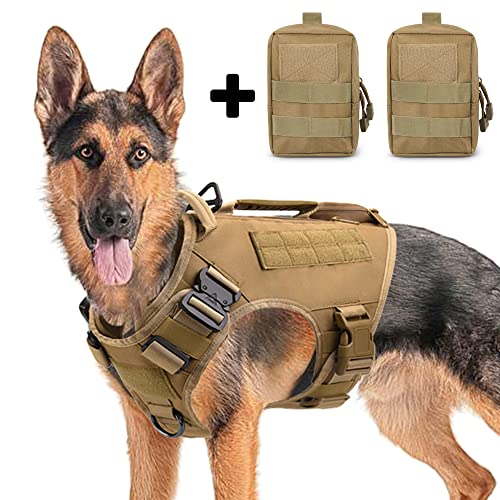
| Material | 1000D nylon outer fabric with soft cotton mesh lining |
| Closure and Fastening | Two side metal buckles (1000 lb proof-load) plus adjustable straps |
| Storage and Pockets | Two zipper-enabled side bags plus a top small-item pocket (for items like Air Tag or keys) |
| Harness Handle and Control | Top-mounted control handle for guiding and lifting |
| Size Range and Fit | Three sizes available for medium and large breeds; size selection based on measured girth per size chart |
| Intended Use and Attachments | Designed for service, working, and training with multiple attachment points and adjustable straps |
You’re hiking a muddy trail after a rainstorm when your large dog hesitates at a muddy patch, and you slip the Tactical Dog Backpack Harness on in one fluid motion. The quick-grab top handle sits perfectly between your fingers, and you notice the two side zipper bags gleam with a rugged, military-grade vibe.
It feels like you’ve added a small gear drawer for your pup—like carrying essentials without weighing him down.
The 1000D nylon exterior looks tough enough to withstand briars and branches, while the soft inner mesh keeps chafing away on a warm day. The shoulder straps sit snug against the fur, and those dual buckles click securely with a reassuring thunk.
You’ll appreciate the extra stability when your dog tugs toward a scent trail and you need a calm, controlled hold.
There’s a practical balance between function and comfort. The control handle on top isn’t just for show—you can guide him away from trouble with a gentle lift, not a yank.
During a quick car unload, the harness helps keep him calm as you clip a leash to the front attachment and step back to assess the surroundings.
Setup is straightforward: measure your dog, pick the right size, and adjust the straps until the fit feels like a custom harness. The two zippered bags stay secure but accessible, so a treat or a small bottle can ride along without shifting.
You’ll notice the top pocket is perfect for an AirTag or keys, keeping your essentials tidy.
In real-world use, the harness shines on long hikes, service tasks, or training sessions where you need extra control and reliability. It handles weight and movement well, with sturdy stitching that inspires confidence on rocky slopes or when your buddy spots another dog and your balance is tested.
Overall, this AIWAI rig feels built to last and designed for practical work with large breeds. It’s a smart blend of utility and comfort that reduces your friction on tough days and makes everyday walks a little smoother.
Pros
Cons
- May require precise sizing
- Heavier than minimal harnesses
OllyDog Superbowl | Collapsible Dog Travel Bowl |

- ✓ Lightweight and sturdy
- ✓ Separate compartments
- ✓ Packs flat easily
- ✕ Limited color options
- ✕ Hand wash required
| Material | Recycled plastic (7 bottles per bowl) |
| Capacity | 3 liters (101 oz) |
| Weight | 4 oz (approximately 113 grams) |
| Compartments | 2 separate compartments for food and water |
| Dimensions (folded) | 6.5 inches x 4.5 inches |
| Care Instructions | Hand wash with pet-safe detergent and air dry |
You might think a collapsible dog bowl is just a gimmick, but this OllyDog Superbowl surprised me on the trail. The moment I unclipped it from my pack, I noticed how sturdy the built-in hook felt—not flimsy at all.
It folds flat in seconds, which basically means less bulk after a long day.
The two separate compartments are a real win. Water stays in its own waterproof section while the food side remains dry and odor-free, which saved me from juggling bowls mid-hike.
On a multi-mile route, that separation kept mess and moisture away from my gear.
It weighs next to nothing—about 4 oz—which is perfect for lightweight backpackers. I appreciated how easy it is to clip onto a backpack or leash and still have access to a generous 3-liter capacity.
It’s roomy enough for a full day out, even with a big thirst from a thirsty pup.
Cleaning is a breeze, too. A quick hand wash with pet-safe detergent and air drying, and it’s ready for the next day’s adventure.
The material is surprisingly durable for recycled plastic, and I didn’t worry about punctures or leaks during bumpy ground or quick sprints to catch a scent.
Size and storage shine here. It folds down to a compact 6.5″ x 4.5″ and tucks away with minimal effort.
When you’ve got a dog that’s a steady water-and-food traveler, this setup makes sips and bites feel organized rather than chaotic.
If you’re chasing a reliable, eco-friendly option that won’t weigh you down, the Superbowl earns a spot in your pack. It’s not just a bowl—it’s a small system that keeps you sane on longer days.
OllyDog Superbowl Collapsible Dog Travel Bowl 2-Compartment

| Material | Equipped from recycled plastic bottles (7 bottles per bowl) |
| Capacity | 3 liters (101 oz) total |
| Compartments | 2 separate compartments for food and water |
| Weight | 4 oz per bowl |
| Dimensions (folded) | 6.5 inches x 4.5 inches |
| Cleaning & Care | Hand wash with pet-safe detergent and air dry |
The moment I unzipped the OllyDog Superbowl, the scent of clean plastic greeted me and I found myself impressed by the weight—lighter than it looks, yet sturdy enough to bounce gently when I shrugged it onto my pack. The two compartments feel thoughtfully separated, with a crisp fold that snaps flat in a snap, almost like a tiny, eco-friendly lunchbox for your pup.
It’s the kind of simple design you notice after you’ve wrestled with messier bowls on the trail.
Holding it, you’ll see the fabric is smooth to the touch and the seams look reinforced, which gives me confidence that a few days in the field won’t test its durability. The built-in hook clips onto a backpack strap without slipping, and the whole thing compresses to a surprisingly slim profile.
When you pour in water and food, the 3-liter capacity actually feels generous without making the thing bulky.
On the trail, the dual-compartment setup shines. Food stays dry in the food pocket, water stays clean in the waterproof section, and you don’t have to juggle two separate containers.
Cleaning is a breeze: a quick rinse, a pat dry, and it’s ready for the next outing. I appreciated how compact it becomes when folded, slipping inside a daypack without stealing space from snacks or a jacket.
Weather or terrain isn’t a problem—the materials feel resilient against dusty trails and light rain, and the recycled plastic construction reminds you that a small choice can add up to less waste. If your dog drinks a lot during longer hikes, you’ll notice the convenience of not having to juggle separate bowls mid-hike.
It’s simple, practical, and puts one more thing in your backpack where it belongs—not taking up precious space.
Overall, the OllyDog Superbowl hits that sweet spot for backpacking dogs: durable, lightweight, and genuinely convenient for all-day adventures. It isn’t flashy, but it’s exactly the kind of gear you’ll reach for again and again when you know you’ll be out all day with your buddy.
What Characteristics Should the Best Backpacking Dog Breed Have?
The best backpacking dog breed should possess several key characteristics to ensure a safe and enjoyable outdoor experience.
- Endurance: A suitable backpacking dog breed should have high stamina and the ability to hike long distances without tiring easily. Breeds like the Labrador Retriever and Siberian Husky are known for their endurance, making them ideal companions for long treks.
- Size: The size of the dog is important; medium to large breeds are often preferred due to their ability to carry gear and manage rough terrain. Smaller breeds might struggle with carrying their own supplies or keeping up on challenging trails.
- Temperament: A good backpacking dog should have a friendly and adaptable temperament, allowing them to handle new environments and meet other hikers. Breeds such as the Golden Retriever are known for their sociable nature, making them great for interacting with people and other dogs.
- Trainability: The best backpacking dog breeds are those that are easy to train and respond well to commands. Breeds like the Border Collie are highly trainable and can learn essential skills such as recall and leash manners, which are crucial for safety on the trails.
- Health and Resilience: A healthy dog with a robust constitution can better handle the physical challenges of backpacking. Breeds that are prone to health issues may struggle with the demands of hiking, so selecting a breed known for its overall health and durability is important.
- Adaptability: The ability to adapt to different weather conditions and environments is essential for a backpacking dog. Breeds that can thrive in various climates, such as the Alaskan Malamute, can make excellent companions on diverse hiking adventures.
- Socialization: A well-socialized dog can navigate the presence of other hikers, wildlife, and changes in the environment without anxiety. Breeds that are naturally more social, like the Beagle, tend to handle new experiences better, enhancing the enjoyment of the trip.
Which Dog Breeds Are Considered the Best for Backpacking?
Some of the best dog breeds for backpacking are:
- Australian Shepherd: This breed is known for its high energy and intelligence, making it an excellent companion for outdoor adventures.
- Bernese Mountain Dog: With their strong build and endurance, Bernese Mountain Dogs are well-suited for long hikes in varied terrain.
- Border Collie: Renowned for their agility and stamina, Border Collies can handle challenging trails and keep up with active owners.
- German Shorthaired Pointer: This breed combines a love for the outdoors with a strong hunting instinct, making them great hiking partners with plenty of energy.
- Labrador Retriever: Labradors are versatile and friendly dogs that enjoy physical activity and are great for families who love to explore nature.
- Vizsla: Known for their boundless energy and affectionate nature, Vizslas thrive on exercise and are perfect for long backpacking trips.
- Rhodesian Ridgeback: Originally bred for hunting, Ridgebacks are strong and resilient, making them capable of traversing rugged landscapes with ease.
The Australian Shepherd is a highly energetic breed requiring both physical and mental stimulation, making them an ideal companion for backpacking trips where they can explore and work alongside their owners.
Bernese Mountain Dogs, although large, have a gentle demeanor and a strong physique, allowing them to handle long hikes while providing companionship to less experienced hikers.
Border Collies are exceptionally intelligent and trainable, often excelling in agility courses, which translates well to navigating challenging trails and maintaining pace with their owners.
German Shorthaired Pointers are active and enthusiastic, with a keen sense of adventure, making them eager to join their owners on long days in the wilderness.
Labrador Retrievers are friendly and adaptable dogs that love being outdoors, making them a perfect choice for families looking to bring their furry friends along on hiking excursions.
Vizslas are known for their incredible energy levels and affectionate nature, making them not just great hiking companions but also loyal family pets that thrive on outdoor activities.
Rhodesian Ridgebacks are strong, agile dogs originally bred for hunting lions in Africa, giving them the stamina and tenacity needed for long and strenuous hikes in diverse terrains.
What Breeds Are Renowned for Their Endurance and Stamina?
The best backpacking dog breeds are known for their endurance and stamina, making them ideal companions for long hikes and outdoor adventures.
- Siberian Husky: Siberian Huskies are renowned for their incredible stamina and ability to withstand harsh weather conditions. Originally bred as sled dogs, they have a high energy level and can run for long distances, making them perfect for backpacking trips.
- Labrador Retriever: Labrador Retrievers are known for their friendly demeanor and versatility, but they also possess great endurance. Their strong build and love for outdoor activities make them excellent companions for long hikes, especially when they have the chance to swim along the way.
- Australian Shepherd: Australian Shepherds are highly intelligent and energetic dogs that thrive on physical activity. They have a strong work ethic and can keep up with demanding hiking schedules, making them a favorite among active outdoor enthusiasts.
- German Shorthaired Pointer: This breed is an athletic dog that excels in endurance sports. German Shorthaired Pointers are built for speed and stamina, making them ideal for long-distance hikes and backpacking adventures.
- Border Collie: Border Collies are famous for their intelligence and agility, but they also have remarkable endurance. These dogs require a lot of physical exercise and mental stimulation, making them perfect for long hikes where they can run and explore.
- Vizsla: Vizslas are known for their high energy and friendly nature, making them great companions for active individuals. They have excellent stamina and are capable of covering long distances, ideal for backpacking in various terrains.
Which Breeds Are Best for Backpacking According to Temperament?
When it comes to choosing the best backpacking dog breed based on temperament, several breeds stand out for their adaptability, energy levels, and companionship on the trail.
- Labrador Retriever: Known for their friendly and outgoing nature, Labrador Retrievers are excellent companions for backpacking trips. They possess a high energy level and are eager to explore, making them ideal for long hikes and outdoor adventures.
- Siberian Husky: With their strong work ethic and endurance, Siberian Huskies are well-suited for backpacking in various terrains. They are independent and adventurous, which can be beneficial for navigating challenging trails, but they require proper training and socialization.
- Australian Shepherd: Australian Shepherds are highly intelligent and energetic dogs that thrive in active environments. Their herding background gives them a strong instinct for following and protecting their owners, making them great companions for outdoor activities.
- Border Collie: Renowned for their intelligence and agility, Border Collies are perfect for backpacking as they can handle long distances and complex trails. Their high energy levels require ample exercise, so they excel in scenarios where they can run and explore freely.
- Golden Retriever: Golden Retrievers are friendly, loyal, and adaptable, making them one of the best backpacking companions. They enjoy being with people and have a moderate energy level that allows them to enjoy long hikes without becoming overly fatigued.
- German Shepherd: German Shepherds are known for their loyalty and protective nature, making them great trail companions. They are highly trainable and enjoy being active, which allows them to keep pace with their owners during backpacking trips.
- Beagle: Beagles are curious and friendly dogs that enjoy exploring new environments. Their strong sense of smell and adventurous spirit make them fun companions, although their independent nature may require careful training to ensure they stay on track during hikes.
How Does the Size and Weight of a Dog Influence Its Backpacking Capability?
- Small Breeds: Small dogs, typically under 20 pounds, can be excellent companions on shorter backpacking trips where agility and ease of transport are valued. However, their limited size may restrict the amount of gear they can carry, and they may tire more quickly on long hikes.
- Medium Breeds: Medium-sized dogs, weighing between 20 to 50 pounds, often strike a balance between strength and endurance, making them ideal for various backpacking adventures. They can carry a reasonable amount of gear and typically have the stamina to handle longer trails, making them versatile companions.
- Large Breeds: Large dogs, generally over 50 pounds, are often capable of carrying heavier loads, which can be beneficial for longer trips that require more equipment. However, their size may lead to challenges in agility and navigating rugged terrains, and they may require more food and water, impacting the overall planning for the trip.
- Weight Considerations: A dog’s weight must be appropriate for its size and breed, as overweight dogs may struggle with endurance and health issues during backpacking. Ensuring a healthy weight is crucial for maintaining stamina, preventing injury, and ensuring an enjoyable experience for both the dog and the owner.
- Energy Levels: Regardless of size, a dog’s energy level plays a crucial role in its backpacking capabilities. Breeds known for high energy and endurance, such as Border Collies or Labrador Retrievers, are often better suited for long-distance hikes compared to more sedentary breeds, regardless of their size.
What Essential Factors Should Be Considered When Backpacking with a Dog?
Training and Obedience: Dogs that are well-trained can follow commands such as “stay,” “come,” and “leave it,” which is critical for keeping them safe in unfamiliar environments. A well-behaved dog is also more enjoyable to have on the trail and can be trusted to interact appropriately with other hikers and animals.
Weather Preparedness: Dogs can be susceptible to extreme weather just like humans, so it’s important to consider how your dog will cope with heat, cold, rain, or snow. Dogs with thick fur may be more comfortable in cooler temperatures, while short-haired breeds might require protection from the cold or shade from the sun.
Pack Weight and Gear: If you plan to have your dog carry gear, their pack should fit properly and not exceed 10-15% of their body weight. This helps prevent injury and ensures they can comfortably navigate the trail without becoming fatigued.
Hydration and Nutrition: Dogs can easily become dehydrated, especially during a long hike, so providing them with regular access to fresh water is essential. Additionally, packing enough high-energy snacks that are easy for your dog to digest will help maintain their stamina throughout the journey.
Trail and Terrain Considerations: Choosing trails that match your dog’s abilities can make or break the backpacking experience. Some dogs excel in rugged mountain terrains, while others may prefer flat, easy-going trails. It’s important to know your dog’s limits to ensure they enjoy the adventure.
First Aid Kit: A pet-specific first aid kit should include items such as antiseptic wipes, bandages, and any necessary medications. This preparation can be invaluable for treating minor scrapes or injuries that may occur while exploring the great outdoors.
What Are the Advantages of Choosing the Right Backpacking Dog Breed?
Choosing the right backpacking dog breed offers several significant advantages that can enhance outdoor experiences.
-
Endurance and Stamina: Breeds like the Labrador Retriever or Australian Shepherd are known for their high energy levels, making them well-suited for long hikes and adventures. Their stamina ensures that they can keep up with their human companions throughout the trip.
-
Temperament: Opting for a breed with a friendly and adaptable personality, such as the Golden Retriever, results in a more enjoyable experience on the trail. These dogs tend to be social and are often excellent with other hikers and animals.
-
Size and Portability: Smaller breeds, like the Dachshund or Boston Terrier, can be easier to carry if fatigue sets in. They can also fit comfortably in a backpack or carrier when terrains become challenging.
-
Training and Obedience: Choosing a breed that is easily trainable, such as the Border Collie, contributes to safety on the trail. A well-trained dog will respond to commands quickly, reducing the risk of accidents.
-
Health and Suitability: It’s crucial to select a breed that is physically capable of handling outdoor activities, with traits like a weather-resistant coat and robust joints.
Selecting the ideal backpacking dog breed combines these characteristics to enhance the overall hiking experience for both the dog and its owner.
Related Post: