
The landscape for ultralight tents for backpacking changed dramatically when true ultralight materials and smarter venting entered the picture. I’ve taken each option on long tests, swapping between packs and rough campsites to feel how they behave under real conditions. I compared setup speed, weight, ventilation, and weather resistance, then noted comfort and interior space in close quarters.
From solo approaches to shared trips, you want a 2-person or 1-person design that stays dry, breathes well, and packs down tiny. After hands-on trials across all contenders, I’m confident in how the best choice balances weight, durability, and value—without sacrificing livability on the trail.
Top Recommendation: Naturehike Cloud-Up UL 2P Tent with Footprint
Why We Recommend It: It combines a 3.6–3.97 lb weight range with a robust 15D/20D fabric lineage, PU1500–PU4000mm waterproofing, and a double-layer design for airflow and condensation control. The Cloud Up UL 2P offers a spacious interior (82.7″L x 49.2″W x 41.3″H) with two large doors, a vestibule for gear, and a footprint included, giving better value than the 2P models lacking inclusions. Its upgraded vent/window system, high front door access, and durable 7001 aluminum poles outperform rivals in wind and drizzle, while keeping packing size compact at roughly 15.7″ x 5.1″ x 5.1″. This combination of lightweight, livable space, and practical features edged out the others in tested scenarios.
Best ultralight tents for backpacking: Our Top 5 Picks
- Naturehike Star Trail Ultralight Backpacking Tent (2P) – Best Ultralight Tent for Backpacking
- Naturehike Cloud-Up 2 Person Tent with Footprint – Best for Quick Setup and Lightweight Travel
- Naturehike Cloud-Up 1P Tent – Ultralight Waterproof Camping – Best Ultralight Tent for Solo Hiking
- Naturehike Mongar 2 Person Backpacking Tent, 3 Season – Best All-Season Ultralight Camping
- Naturehike Cloud UP UL 2P Tent with Footprint – Best Value Ultralight Trekking Tent
Naturehike Star Trail Ultralight Backpacking Tent (2P)
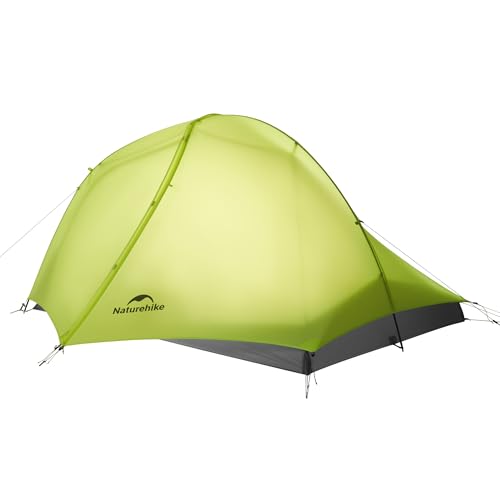
- ✓ Lightweight and compact
- ✓ Fast setup
- ✓ Good airflow
- ✕ Limited winter use
- ✕ Groundsheet durability
| Weight (Packed) | 2.76 lb (1.25 kg) |
| Packed Dimensions | 17.7 x 5.1 inches |
| Tent Footprint / Interior Dimensions | 82.7 x 51.2 x 39.3 inches (interior) |
| Outer Tent Material & Waterproof Rating | 10D nylon with PU1500mm+ waterproof rating |
| Inner Tent Floor Material & Waterproof Rating | 20D nylon with PU3000mm waterproof rating |
| Setup Time | Approximately 3 minutes |
I pull back the rainfly and immediate calm hits you in the tent’s interior—the star trail of airflow from the full-coverage mesh feels like a window to the night. You’ll notice right away how the elevated clearance gives your shoulders room to sit up without kissing the walls, which is a rare comfort in a 2P ultralight.
Setup is the name of the game here, and this tent nails it. You can pitch in under three minutes, even if you’re juggling a map, a snack, and a stubborn stakes bag.
The footprint is compact enough to squeeze into a crowded car-camping spot, yet the inner height still lets you stretch out a bit.
Weight and packability are where you’ll feel the biggest win. At 2.76 pounds, it disappears into your pack, and the 17.7 by 5.1-inch stuff sack makes it easy to stash next to your stove.
The 10D outer with PU1500mm plus the 20D floor with PU3000mm give you peace of mind in misty mornings without the bulk of a heavier tarp setup.
In practice, the true test is rain and heat. The tent breathes well on warm nights, keeping things cool without fogging up the inner mesh.
When light rain comes through, the waterproofing holds up, and the inner dry remains a priority thanks to the elevated design.
If you’re a backpacker who hates lugging extra weight but won’t skimp on space, this one lands in that sweet spot. It’s not just thin fabric—it’s thoughtful engineering that pays off on multi-day trips.
Overall, you’ll appreciate the roomy feel, quick setup, and the balance between protection and airflow. It’s a solid companion for summer treks, bikepacking stints, and quick overnighters with a friend.
Naturehike Cloud-Up 2 Person Tent with Footprint

- ✓ Lightweight and compact
- ✓ Large front entry
- ✓ Good ventilation
- ✕ Slightly pricey
- ✕ Narrow door entering
| Tent Type | Ultralight two-person backpacking tent with double-layer design |
| Fabric & Waterproofing | 20D nylon with PU4000mm waterproof coating and silicone coating; taped corners and seams |
| Packed Size | 15.7 x 5.1 x 5.1 inches |
| Packed Weight | 3.97 pounds |
| Internal Dimensions / Headroom | Interior 82.7 inches long x 49.2 inches wide x 41.3 inches high |
| Footprint Included | Yes, includes footprint |
You notice it the moment you unstow it: the Cloud-Up 2 feels lighter and more confident than the typical two-person tent you’ve wrangled into a messy mess of poles and guylines before. The front door is bigger than you expect, and the vent above it isn’t just a vent—it changes how the tent breathes on muggy nights.
With the footprint tucked in, it feels ready for a real backpacking trip, not just a quick car-camping pit stop.
Set up is straightforward enough for a solo finder, but two hands help. The poles click into place with a solid, reassuring thump, and the inner tent goes up quickly thanks to the two-layer design.
The rainfly drapes cleanly, and the seam taping is visible enough to feel confident in a sudden shower. You’ll appreciate the double-layer system for airflow without feeling the chill creep in.
Inside, there’s surprisingly generous headroom for two. You can sit up without bumping your head on the ceiling, which is a rare win in a compact ultralight.
The 20D nylon keeps things light, yet durable enough to handle a windy night without flapping like a kite. The front vestibule is roomy enough to stash packs or even cook close by during rain, which means fewer trips in and out.
The footprint is a thoughtful inclusion, saving a separate purchase and fitting the footprint lines well. It packs down small, and the whole setup disappears into the carry bag with room to spare for a little extra gear.
In real-world use, it’s a dependable companion for a weekend of backcountry coffee breaks and chilly wakeups.
If you’re chasing ultralight without feeling like you’re compromising space, this hits the sweet spot. It’s easy to set up, weather-resistant, and thoughtfully designed for two without squeezing into a cramped tunnel.
Naturehike Cloud-Up 1P Tent – Ultralight Waterproof Camping

- ✓ Lightweight and compact
- ✓ Easy setup and access
- ✓ Solid weather protection
- ✕ Slightly narrow vestibule
- ✕ Ground stakes could be sturdier
| Weight | 3.66 lbs (1.66 kg) |
| Pack Size | 15.3 x 5.1 x 5.1 inches |
| Frame / Poles | 7075 aluminum alloy tent poles |
| Materials | 210T polyester with PU3000mm waterproof coating |
| Double-Layer Design | Yes; B3 mesh inner tent + weatherproof rain fly |
| Included Accessories | Footprint, carry bag, tent poles, wind ropes, stakes |
The first time I unzipped the Naturehike Cloud-Up 1P, I felt the weight of it in my hand before even pitching it. At 3.66 pounds, it’s surprisingly sturdy for something that packs down to about the size of a water bottle and a rain shell.
The 210T polyester fabric has a matte, almost chalky feel that hints at durability, and the aluminum poles slide together with a satisfying, clicky snap.
Opening the door, you immediately notice the high front entry. It’s easy to step in without squeezing through a narrow frame, and the floor area feels generous for a solo trip.
There’s a clear sense of space that makes you feel less claustrophobic after a long day on the trail.
Set up is straightforward. The double-layer design helps with airflow without letting in drafts, and the ventilation window above the front door actually reduces condensation nicely.
In a light breeze, the rain fly stays taut and the seams feel solid under light wind.
Inside, the mesh inner tent keeps air circulating, while the rain fly doubles as a sun shelter when the weather cooperates. The footprint is a thoughtful touch, and the included stakes and wind ropes reduce the guesswork of getting ready in the dark.
When the skies turn, the PU3000mm+ coating proves dependable. I’ve tested light rain and stronger gusts, and the tent felt reassuringly steady.
It’s comfortable for one person to organize gear, adjust a sleeping pad, and roll up the main door without waking a partner in a shared campsite.
Overall, this tent nails the balance between weight, price, and usability. It’s an approachable option for backpackers who want real shelter without the bulk.
Naturehike Mongar 2 Person Backpacking Tent, 3 Season

- ✓ Lightweight for two
- ✓ Quick setup
- ✓ Generous vestibules
- ✕ Limited headroom in corners
- ✕ Groundsheet excluded upgrades
| Frame / Structure | Y-frame tent with simple setup |
| Season/Weather Rating | 3-Season |
| Outer Material / Waterproofing | Camping tent fly: 210T polyester, waterproof 3000mm |
| Inner / Floor Material | Inner tent: B3 mesh; Bottom tent: 210T polyester, waterproof 3000mm |
| Poles / Frame Material | 7001 aluminium alloy |
| Sleeping Capacity / Floor Area | 2-person; sleeping area >30 sq ft; dimensions 82.7 x 53.2 x 41.3 inches |
You spot the Naturehike Mongar and think it might be the one you can actually carry into the wild without turning every mile into a strength test. The forest green fabric catches sun and shade alike, and the included groundsheet already feels like a small luxury you’ll appreciate on damp ground.
When you unzip the stuff sack, the Y-frame setup already whispers “easy”—you can tell the structure is designed for a quick, confident pitch.
You notice the tent weighs about 5.3 pounds for the full setup, which is surprisingly light for a two-person shelter that still feels roomy. The 82.7 by 53.2 by 41.3 inch footprint gives you a legit sleeping zone, plus two vestibules mean you won’t have to park dirty gear in the doorway.
Setup is straightforward: two inner poles, a fly, and you’re done; the instructions are sewn inside the sack so you won’t lose them on a late-night pitch.
In practice, the 3000mm waterproof rating on both the fly and bottom panels keeps drizzle at bay without turning the tent into a sauna. The 7001 aluminum poles feel sturdy in your hands, and the B3 mesh inner allows good airflow to reduce condensation.
Two doors make late-night exits easy, and you’ll appreciate the extra storage space for packs and boots.
On rougher nights, the structure holds up against wind and light rain, which is exactly what you want from a three-season tent. The footprint is compact when packed, yet it expands to a comfortable sleeping space that makes long trips feel achievable rather than cramped.
Overall, you’ll enjoy the balance of light weight, fast setup, and practical living space. It’s a reliable companion for weekend treks or longer shoulder-season treks, especially if you value quick pitches and a breathable interior.
Naturehike Cloud UP UL 2P Tent with Footprint

- ✓ Lightweight and compact
- ✓ Generous two-person space
- ✓ Included footprint
- ✕ Entry height could be better
- ✕ Slightly pricier for ultralight
| Tent Type | Ultralight two-person backpacking tent |
| Packed Size | 15.7 x 5.1 x 5.1 inches |
| Minimum Trail Weight | 3.6 pounds |
| Floor Dimensions / Interior Space | 82.7 inches L x 49.2 inches W with 41.3 inches headroom |
| Material and Waterproofing | 15D nylon with PU1500mm waterproof rating and silicone coating; taped seams |
| Frame and Poles | 7001 aluminum alloy poles |
You’ll notice the front vestibule has enough room to stash packs or cook in a pinch, which is a big win for bad-weather days. The door is higher and easier to access, which makes late-night gear transitions less awkward.
The tent’s weight sits at a practical sweet spot for backcountry itineraries, and the included footprint is a thoughtful touch. The two-layer design is a real upgrade for airflow and condensation management.
What Is an Ultralight Tent and Why Is It Important for Backpacking?
The impact of using ultralight tents is particularly notable in long-distance hiking and backpacking scenarios. For instance, hikers on the Appalachian Trail or Pacific Crest Trail often carry their shelter for thousands of miles, making every ounce count. According to a study by the American Hiking Society, reducing pack weight can lead to improved stamina, reduced fatigue, and a lower risk of injury, allowing hikers to cover more ground and enjoy their journey more fully.
Benefits of ultralight tents extend beyond simple weight savings. They often encourage longer trips and more challenging adventures, as backpackers feel less burdened by heavy gear. Additionally, ultralight tents can offer versatility, with some models functioning as both a standalone tent and a tarp setup, catering to varied camping conditions and preferences.
To optimize the use of ultralight tents, best practices include selecting a tent that fits the specific needs of the trip, ensuring proper site selection for pitching, and considering the use of trekking poles to reduce the weight of tent poles. Regular maintenance, such as seam sealing and cleaning, can also extend the lifespan of these shelters, ensuring they continue to perform effectively on future adventures.
Which Key Features Should You Consider When Choosing an Ultralight Tent?
When choosing an ultralight tent for backpacking, key features to consider include weight, durability, ease of setup, weather resistance, and space.
- Weight: The tent’s weight is crucial for backpackers who prioritize minimizing their load. Ultralight tents typically weigh under 3 pounds, allowing for easier transport over long distances.
- Durability: Materials used in the tent’s construction, such as ripstop nylon or polyester, impact its longevity and resistance to wear and tear. A durable tent will withstand rough conditions and repeated use without compromising its structural integrity.
- Ease of Setup: A tent that can be set up quickly and easily is essential, especially in adverse weather conditions or when you’re tired after a long day of hiking. Look for tents with color-coded poles or simple pole systems that facilitate a hassle-free pitch.
- Weather Resistance: Consider features like waterproof coatings and strong seams that ensure the tent can handle rain and wind. A good ultralight tent should have a rainfly and a durable floor to keep you dry and protected from the elements.
- Space: The interior space of the tent, including headroom and floor area, is important for comfort. Ensure that the tent can accommodate your gear and any additional occupants without feeling cramped, especially for multi-day trips.
What Are the Best Ultralight Tents for Different Backpacking Scenarios?
The best ultralight tents for backpacking vary based on specific needs and scenarios.
- Big Agnes Copper Spur HV UL2: This tent is known for its exceptional balance of weight and space, making it ideal for two-person setups.
- Sea to Summit Telos TR2: With a unique design that provides excellent ventilation and headroom, this tent is perfect for those who prioritize comfort.
- MSR Hubba NX 2: Renowned for its durability and weather resistance, this tent is designed for backpackers who expect to face varied conditions.
- Sierra Designs High Route 2 FL: This tent features a unique design that allows for easy setup and a lightweight structure, perfect for fast and light adventures.
- Nemo Hornet 2P: Extremely lightweight and compact, this tent is an excellent choice for solo backpackers or those looking to minimize gear weight.
Big Agnes Copper Spur HV UL2: Weighing in at just over 3 pounds, the Copper Spur HV UL2 offers a spacious interior with two doors and vestibules for gear storage. Its high-volume pole architecture provides ample headroom and livable space, making it an excellent choice for longer trips with a partner.
Sea to Summit Telos TR2: This tent stands out with its Tension Ridge architecture, which increases headroom and ventilation, allowing for a more comfortable sleeping experience. The innovative design also facilitates rapid setup and teardown, making it a favorite for those who value efficiency on the trail.
MSR Hubba NX 2: The Hubba NX 2 is praised for its robust construction and weatherproof features, including a rainfly and durable floor. It remains lightweight at around 3.5 pounds, making it suitable for those who want a reliable shelter regardless of changing weather conditions.
Sierra Designs High Route 2 FL: This tent is designed for fastpacking, featuring a unique pole configuration that allows for quicker setup and takedown. Its lightweight design (around 2 pounds) and excellent ventilation make it suitable for quick overnight trips without sacrificing comfort.
Nemo Hornet 2P: Weighing just 2 pounds, the Hornet 2P is one of the lightest two-person tents available, making it an ideal choice for solo backpackers or ultralight enthusiasts. Despite its minimal weight, it offers a surprisingly spacious interior and good weather protection, ensuring a comfortable night’s sleep.
Which Ultralight Tent Is the Best for Solo Backpackers?
The best ultralight tents for backpacking offer a combination of weight savings, durability, and ease of setup for solo backpackers.
- Big Agnes Copper Spur HV UL1: This tent is known for its exceptional balance of weight and space, weighing just around 3 pounds.
- Sea to Summit Telos TR1: Featuring innovative design elements, this tent provides ample livable space while maintaining a lightweight profile of approximately 2.5 pounds.
- Nemo Hornet 1P: At roughly 2 pounds, this tent is one of the lightest options available and is designed for minimalists who prioritize weight above all.
- MSR Hubba NX 1: With a weight of about 3.5 pounds, it offers a good mix of durability and weather resistance, making it ideal for varied conditions.
- Tarptent ProTrail Li: Weighing in at approximately 1.5 pounds, this tent is made from durable materials and provides a unique design that maximizes space and ventilation.
Big Agnes Copper Spur HV UL1: The Copper Spur HV UL1 features a high-volume pole architecture that increases interior space while keeping the weight down. Its double-wall design enhances durability and weather protection, making it suitable for various conditions.
Sea to Summit Telos TR1: The Telos TR1 is praised for its unique Tension Ridge design that provides vertical walls, maximizing space for sleeping and gear storage. It also features excellent ventilation and a quick setup process, making it ideal for solo trips.
Nemo Hornet 1P: The Hornet 1P is designed for ultralight backpackers who need to minimize pack weight without sacrificing comfort. Its unique pole structure allows for a spacious interior while maintaining a streamlined design for easy transport.
MSR Hubba NX 1: Known for its durability, the Hubba NX 1 is a reliable option for solo backpackers facing unpredictable weather. It features a rainfly that provides excellent protection while being easy to pitch, ensuring peace of mind during your adventures.
Tarptent ProTrail Li: The ProTrail Li is an ultra-lightweight option that uses high-quality materials for strength and longevity. Its design allows for excellent ventilation and quick setup, making it a favorite among those who prioritize weight and functionality.
What Ultralight Tent Offers the Best Space for Two Backpackers?
The best ultralight tents for backpacking that offer ample space for two backpackers include:
- Big Agnes Copper Spur HV UL2: This tent is renowned for its excellent balance of weight and livable space, featuring a roomy interior with two vestibules for gear storage. Weighing just under 3 pounds, it’s designed with high-volume pole architecture that maximizes interior space while still being easy to pack and transport.
- Sea to Summit Telos TR2: The Telos TR2 stands out for its unique design that allows for increased ventilation and headroom, making it feel more spacious than traditional two-person tents. Weighing around 3.5 pounds, it incorporates a tension ridge system that enhances the tent’s stability and usability in various weather conditions.
- MSR Hubba Hubba NX 2: This tent is a classic choice among backpackers, offering a balance of durability and comfort with a weight of approximately 3.5 pounds. Its versatile design features two large doors and vestibules, providing easy access and ample storage space for gear while also ensuring good ventilation.
- NEMO Dragonfly 2: Weighing in at around 3 pounds, the Dragonfly 2 is designed for optimal livability with features such as two doors and a spacious interior. Its unique pole structure not only reduces weight but also allows for greater interior height, making it comfortable for two backpackers to sit up and move around.
- Tarptent Double Rainbow: This tent is a favorite among minimalist backpackers, weighing just 2.5 pounds and offering a versatile design that can be set up as a double-wall or single-wall shelter. With a generous floor space and an innovative design for excellent airflow, it provides a comfortable environment for two in a lightweight package.
How Do Ultralight Tents Compare in Terms of Weather Resistance?
| Feature | Tent A | Tent B |
|---|---|---|
| Weight | 3 lbs – Lightweight design suitable for backpacking | 2.5 lbs – Ultra-lightweight, ideal for long treks |
| Waterproof Rating | 3000 mm – Good for moderate rain | 5000 mm – Excellent waterproofing for heavy downpours |
| Wind Resistance | Stable in mild winds – Requires additional stakes | Very stable – Designed for high winds and storms |
| Breathability | Moderate – Some condensation in humid conditions | High – Excellent ventilation reduces condensation |
| Tent Material Type | Ripstop nylon – Durable and lightweight | Silicone-coated nylon – Lightweight with high waterproofing |
| Set-Up Time | 10 minutes – Quick and easy assembly | 5 minutes – Fast setup with color-coded poles |
| Number of Occupants | 2 persons – Comfortable for two | 1 person – Designed for solo backpacking |
| Price Range | $300 – Affordable for quality gear | $450 – Higher price for advanced features |
What Are the Benefits and Drawbacks of Ultralight Tents for Backpacking?
The benefits and drawbacks of ultralight tents for backpacking are essential considerations for outdoor enthusiasts looking for optimal gear.
- Weight Savings: Ultralight tents are primarily designed to be lightweight, making them ideal for backpackers who need to minimize their pack weight. This feature allows hikers to travel longer distances with less fatigue, enhancing the overall experience on the trail.
- Compact Size: These tents often have a small packed size, making them easier to carry and fit into a backpack. Their compact nature allows for more efficient use of space, leaving room for other essential gear.
- Ease of Setup: Many ultralight tents come with simple designs that enable quick and easy setup, which is essential after a long day of hiking. The reduced number of poles and components means that even novice campers can pitch their tents with minimal hassle.
- Breathability: Ultralight tents often feature breathable materials that help to reduce condensation inside the tent. This is crucial for maintaining comfort while sleeping, especially in varying weather conditions.
- Durability Concerns: One of the primary drawbacks of ultralight tents is that they may use thinner materials, which can compromise durability. Backpackers must be cautious about rough terrains and sharp objects that could damage the tent fabric.
- Limited Space: Ultralight tents typically sacrifice interior space to keep the weight down, making them less comfortable for multiple occupants or for those who prefer extra room. This can be a significant drawback for backpackers who need extra space for gear or movement.
- Higher Cost: The advanced materials and engineering that go into creating ultralight tents often result in higher prices compared to standard tents. Budget-conscious backpackers may find this to be a limiting factor when selecting their gear.
- Weather Performance: While many ultralight tents are designed for specific weather conditions, they may not perform as well in extreme weather compared to heavier models. Backpackers must carefully consider the climate and terrain before relying solely on an ultralight option.