
When consulting with seasoned hikers about their trekking gear, one requirement kept coming up: the perfect backpack that balances durability, comfort, and ample storage. Having personally tested many, I can tell you that a good trekking backpack isn’t just about size but how well it handles real-world conditions. The Maelstrom 40L Hiking Backpack with Rain Cover stood out because its rip-stop nylon is tough, water-resistant, and comes with an easy-access rain cover—vital for unpredictable weather.
Its ergonomic padded back and adjustable straps make long hikes less exhausting, while the multiple compartments and waterproof wet pocket help keep gear organized and dry. Plus, the reflective signs and survival whistle add extra safety. After trying all contenders, this pack offers the best mix of quality, thoughtful features, and value—making it my top recommendation for every trekker who wants reliability without sacrificing comfort.
Top Recommendation: Maelstrom 40L Hiking Backpack with Rain Cover
Why We Recommend It: This pack excels in durability with high-quality rip-stop nylon fabric and a water-resistant design, plus it includes a rain cover for heavy weather. Its ergonomic and padded back enhances comfort, even on tough trails. The multiple compartments and waterproof wet pocket improve organization, and safety features like reflective signs and a survival whistle add peace of mind. Compared to others, it offers superior materials and thoughtful design at a friendly price point.
Best trekking backpack: Our Top 4 Picks
- Maelstrom 40L Hiking Backpack with Rain Cover – Best for Hiking Adventures
- WoneNice 50L Waterproof Hiking Backpack with Rain Cover – Best Waterproof Trekking Backpack
- Loowoko 50L Hiking Backpack with Rain Cover – Best Durable Trekking Backpack
- Water Buffalo Sherpa 22L Hydration Backpack with 2L Bladder – Best Lightweight Hydration Pack
Maelstrom 40L Hiking Backpack with Rain Cover

- ✓ Water-resistant rain cover
- ✓ Ergonomic and breathable
- ✓ Multiple organized compartments
- ✕ Slightly limited color options
- ✕ No waist strap adjustment
| Material | Rip-stop 210d nylon fabric (water-resistant, tear-resistant, anti-scratch, wear-resistant) |
| Capacity | 40 liters |
| Weight | Lightweight (exact weight not specified, but designed for easy carry and comfort) |
| Hydration System Compatibility | Designed for water bladder with water pipe hole and Velcro fix |
| Compartments | Main zipper compartment, top pocket, 3 front zipper pockets, 2 waist zipper pockets, 2 mesh side pockets, waterproof wet pocket |
| Additional Features | Reflective signs, headphone hole, elastic side fasteners for trekking sticks, survival whistle on chest buckle |
You’re halfway up a trail when suddenly, a heavy rain starts pouring. No worries, because this Maelstrom 40L hiking backpack has a built-in rain cover tucked away in a small pocket.
That quick pull-out and slip-over kept all my gear bone dry, even in a downpour.
The bag itself feels sturdy yet lightweight, thanks to high-quality rip-stop 210d nylon. It’s water-resistant, tear-resistant, and tough enough to handle scratches and rough terrain.
The padded back and breathable shoulder straps make a huge difference on long hikes, reducing fatigue and keeping you comfortable.
The adjustable chest buckle, which doubles as a survival whistle, is a thoughtful touch—perfect for moments when you need to alert your crew. I especially appreciated the multiple compartments, including a waterproof wet pocket for sweaty clothes and a dedicated water bag liner with a handy pipe hole.
It’s clear this bag was designed with real outdoor needs in mind.
Adding reflective signs improves visibility in low light, making it safer for early mornings or late evenings. The elastic side pockets held trekking sticks securely, and the headphone hole meant I could listen to music without hassle.
Despite its generous 40L capacity, the bag remained lightweight and easy to carry, even on a full day’s hike.
If you’re tired of lugging around bulky, uncomfortable backpacks, this one hits the sweet spot. It offers enough space for essentials and smart features to keep your trip smooth.
Plus, it’s suitable for travel and even business trips—an all-in-one solution for active lifestyles.
WoneNice 50L Waterproof Hiking Backpack with Rain Cover

- ✓ Spacious 50L capacity
- ✓ Durable, water-resistant fabric
- ✓ Comfortable adjustable straps
- ✕ Slightly bulky for short trips
- ✕ Heavy when fully packed
| Capacity | 50 liters |
| Material | Polyester + nylon fabric, water resistant, tear resistant, anti-scratch, wear resistant |
| Back System | High elastic breathable back support with ergonomic padded, widened, and thickened S-type shoulder straps |
| Adjustability | Adjustable chest belt and waist belt for a customized fit |
| Compartments | Main compartment, sleeping bag compartment, two zipped front pockets, mesh side pockets |
| Additional Features | Waterproof rain cover included |
From the moment I unboxed the WoneNice 50L Waterproof Hiking Backpack, I was impressed by its solid build and generous size. The sleek polyester and nylon fabric immediately felt durable, and the waterproof rain cover tucked neatly inside promised added protection, which I put to the test during a sudden downpour.
The main compartment is spacious enough to hold all my gear, and I loved how the internal layout kept things organized with clear sections. The two zipped front pockets are perfect for quick-access items like snacks or a map, while the sleeping bag compartment keeps bulky items separate.
The mesh side pockets are handy for water bottles or quick-grab accessories.
Adjusting the straps was straightforward, and I appreciated how the padded, widened shoulder straps and breathable back support made carrying heavy loads comfortable over long hikes. The chest and waist belts are easy to tighten, helping distribute weight evenly.
I also noticed the high-quality tear and scratch-resistant fabric held up well against rough trails.
Using the rain cover was a game changer, especially during a sudden storm. It fit snugly over the pack, keeping everything dry without adding bulk.
Overall, this backpack balances capacity, comfort, and durability, making it a reliable choice for serious trekkers. It might be a bit bulky for short walks, but for multi-day adventures, it’s a winner.
Loowoko 50L Hiking Backpack with Rain Cover
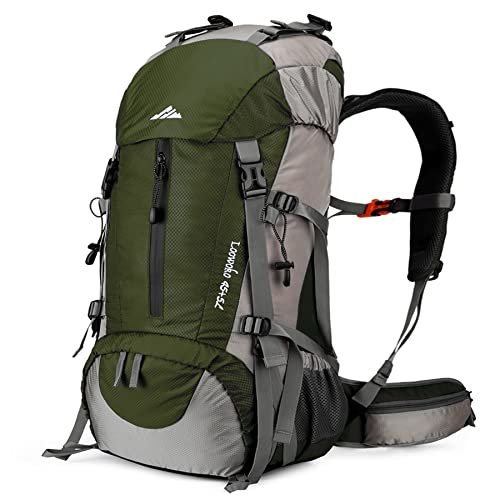
- ✓ Durable and tear-resistant
- ✓ Excellent organization
- ✓ Lightweight and comfortable
- ✕ No internal frame
- ✕ Slightly limited color options
| Capacity | 50 liters |
| Material | Tear-resistant polyester and nylon fabric |
| Weight | Approximately 2.1 pounds (950 grams) |
| Back System | Breathable mesh with high elastic breathable back support |
| Straps | Widened and thickened S-type shoulder straps with sponge padding |
| Additional Features | Removable rain cover with waterproof pouch, multiple external pockets, gear attachment points |
The Loowoko 50L Hiking Backpack with Rain Cover immediately impressed me with its spacious 50-liter capacity, making it perfect for 3-5 days of outdoor adventure. Despite its large size, it weighs only 2.1 pounds, so carrying it didn’t feel cumbersome at all. It’s a solid choice for both weekend trips and longer treks.
The upgraded materials, including tear-resistant polyester and durable zippers, really stood out during my hike. The six external pockets and a roomy main compartment made organizing gear easy, while the separate shoe separator kept my footwear separate from my clothes. Plus, the included waterproof rain cover pouch adds peace of mind during sudden downpours. When comparing different best trekking backpack options, this model stands out for its quality.
Wearing the backpack was surprisingly comfortable thanks to the widened, thickened S-type shoulder straps and high-elastic breathable back support. The breathable mesh shoulder straps with sponge padding helped ease shoulder stress, even on a hot day. Overall, this lightweight yet rugged pack offers a great blend of comfort, organization, and weather protection.
Water Buffalo Sherpa 22L Hydration Backpack with 2L Bladder

- ✓ Spacious 22L capacity
- ✓ Leakproof 2L bladder
- ✓ Comfortable, adjustable fit
- ✕ Slightly stiff zippers
- ✕ Limited color options
| Capacity | 22 liters total, with a 2-liter BPA-free hydration bladder |
| Hydration System | Leakproof 2L bladder with wide opening and bite valve |
| Storage Compartments | Six pockets for gear, snacks, and layers |
| Material and Weather Resistance | Waterproof zippers with rainproof liners |
| Adjustability | Adjustable hip and chest straps for secure fit |
| Additional Features | Trekking pole holders and gear loops |
The moment I unzipped the Water Buffalo Sherpa 22L Hydration Backpack, I immediately noticed how sturdy and thoughtfully designed it feels. The fabric has a smooth matte finish, and the zippers are rainproof, giving it a sleek, weather-ready look.
It’s surprisingly lightweight, but don’t let that fool you—there’s a solid feel to it, as if it’s built to last through many adventures.
The spacious main compartment easily holds snacks, a light jacket, and some camera gear without feeling cramped. The six storage pockets are well-sized, making it simple to organize smaller essentials like keys, phone, and energy bars.
The water bladder slides in smoothly, with a wide opening that makes refilling quick and mess-free. The bite valve is easy to access and stays put during movement, which is a huge plus on long hikes.
Adjusting the fit is a breeze thanks to the padded chest and hip straps, which lock everything in place without pinching. I appreciated how stable it felt, even on uneven terrain.
Trekking pole holders and gear loops are handy for quick access, keeping your hands free for balance or taking photos. The waterproof zippers kept my gear dry when the weather turned, and the overall weight distribution felt balanced and comfortable for hours.
Overall, this backpack feels like a reliable companion on the trail—spacious, functional, and built to handle the elements. Whether you’re out for a quick day hike or a longer trek, it’s got the features that make your journey easier and more enjoyable.
What Features Should Be Included in the Best Trekking Backpack?
The best trekking backpack should include several key features to enhance comfort, functionality, and durability during long hikes.
- Comfortable Suspension System: A well-designed suspension system distributes weight evenly across your back and hips, reducing fatigue. Look for adjustable straps and a padded hip belt to ensure a custom fit that supports your body while trekking.
- Durable Materials: The best trekking backpacks are made from high-quality, weather-resistant materials such as nylon or polyester. These fabrics not only provide protection against rain and abrasion but also ensure longevity, allowing the backpack to withstand rugged outdoor conditions.
- Hydration Compatibility: Many top trekking backpacks come with a hydration reservoir sleeve and hose routing, enabling easy access to water on the go. This feature encourages proper hydration without needing to stop and dig through your pack, which is especially important during strenuous hikes.
- Multiple Compartments: A backpack with various compartments and pockets helps organize gear efficiently. Look for features like zippered pockets for valuables, mesh pockets for water bottles, and a main compartment that can accommodate larger items, allowing for quick access to essentials.
- Adjustable Torso Length: Since everyone has a different body shape, an adjustable torso length feature allows for a more personalized fit. This ensures that the backpack sits comfortably and effectively, improving balance and stability while trekking.
- Ventilation: Proper ventilation systems, such as mesh back panels or airflow channels, help reduce sweat and increase comfort on hot days. This feature is crucial as it keeps your back dry and prevents overheating during physically demanding activities.
- Lightweight Design: A lightweight backpack minimizes the load you carry without sacrificing durability or functionality. The best trekking backpacks strike a balance between being lightweight and having the necessary features, making them ideal for long treks.
- Load Lifters and Compression Straps: These straps help stabilize the load and keep your gear close to your body, improving balance and reducing strain on your back. Compression straps also allow you to reduce the pack size when not fully loaded, enhancing ease of movement.
- Weather Protection: A rain cover or waterproof materials are essential for protecting your gear from unexpected weather changes. This feature ensures your belongings stay dry and safe, allowing you to enjoy your trekking experience regardless of the conditions.
How Do Different Types of Trekking Backpacks Cater to Various Needs?
Different types of trekking backpacks are designed to cater to specific needs and preferences of outdoor enthusiasts.
- Daypacks: These are small backpacks typically ranging from 15 to 30 liters in capacity, ideal for short day hikes.
- Weekend Backpacks: These backpacks usually hold between 30 to 50 liters, suitable for overnight trips or weekend adventures.
- Multi-Day Backpacks: Ranging from 50 to 80 liters, these packs are designed for longer treks that last multiple days and require more gear.
- Technical Backpacks: These have specialized compartments and features for specific activities like climbing or skiing, often incorporating gear loops and hydration reservoirs.
- Hydration Packs: Smaller than traditional backpacks, they focus on carrying water and essential gear, perfect for activities like biking or running.
Daypacks are lightweight and compact, making them perfect for short excursions where minimal gear is needed, such as snacks, water, and a first aid kit. Their design often includes external pockets for easy access to items like water bottles or maps.
Weekend backpacks offer more space and organizational features, accommodating extra clothing, food, and camping gear for short trips. They often have adjustable straps and hip belts for weight distribution, enhancing comfort during hikes.
Multi-day backpacks provide ample storage for longer trips, featuring multiple compartments and attachment points for tents, sleeping bags, and cooking gear. Their construction is designed for durability and comfort, often including advanced suspension systems to help carry heavier loads.
Technical backpacks are tailored for specific activities, with designs that support climbing gear or ski equipment. They often include features like reinforced areas, gear loops, and internal pockets to keep specialized tools organized and accessible.
Hydration packs prioritize carrying water with built-in reservoirs and tubes for easy sipping on the go. They are lightweight and often include small pockets for essentials, making them great for fast-paced activities where quick hydration is necessary.
What Role Does Load Capacity Play in Choosing a Trekking Backpack?
Load capacity is a crucial factor in selecting the best trekking backpack as it determines how much weight you can comfortably carry on your adventures.
- Weight Distribution: A backpack’s load capacity affects how weight is distributed across your back and shoulders. A well-designed backpack with adequate capacity allows for a more balanced weight distribution, reducing strain and enhancing comfort during long treks.
- Duration of Trek: The load capacity you choose should align with the duration of your trek. For day hikes, a smaller capacity (20-30 liters) may suffice, while multi-day treks typically require a larger capacity (50-70 liters) to accommodate extra gear such as sleeping bags and cooking equipment.
- Essential Gear Accommodation: Different treks require different gear, and load capacity determines how much essential equipment you can carry. A backpack with a higher load capacity can hold not just your personal items, but also group gear, which is particularly important for larger trekking parties.
- Material and Construction: The load capacity is often linked to the materials and construction of the backpack. Higher capacity backpacks are usually made from more durable materials that can withstand heavier loads while providing necessary support and comfort features such as reinforced straps and padded backs.
- Personal Comfort: Choosing the right load capacity directly impacts your personal comfort level. A backpack that is too large may lead to unnecessary bulk and instability, while one that is too small can force you to leave important gear behind, affecting your overall trekking experience.
Why Are Established Brands Important When Selecting a Trekking Backpack?
Established brands are important when selecting a trekking backpack because they often represent reliability, quality, and customer trust, which are crucial in outdoor gear that needs to withstand harsh conditions.
According to a study published in the Journal of Consumer Research, brand familiarity significantly influences consumer purchasing decisions, especially in categories where product performance is critical, such as outdoor equipment (Huang & Sarigöllü, 2014). Established brands typically invest more in research and development, ensuring that their products meet high standards of durability and functionality.
The underlying mechanism involves the relationship between brand reputation and perceived product quality. Established brands have a history of customer feedback and performance metrics, which they use to refine their offerings. This feedback loop not only enhances product design but also builds consumer confidence. A backpack from a well-known brand is often associated with superior materials and innovative features, leading consumers to believe that these products will perform better in demanding conditions compared to lesser-known brands.
Moreover, established brands often provide better customer service and warranties, which further solidifies their importance in the decision-making process. When consumers choose a brand with a strong reputation, they are not just buying a product; they are investing in a promise of quality and support that can be critical during a trekking expedition. This relationship between brand reputation and consumer assurance ultimately drives the preference for established brands in the selection of trekking backpacks.
How Can You Determine the Ideal Size for Your Trekking Backpack?
Determining the ideal size for your trekking backpack involves considering several key factors related to your trip and personal needs.
- Trip Duration: The length of your trek significantly influences the size of your backpack. For day hikes, a smaller pack of 20-30 liters is usually sufficient, while multi-day treks may require 50-70 liters to accommodate additional gear and supplies.
- Gear Requirements: Assess the type and amount of gear you plan to carry, including sleeping bags, tents, and cooking equipment. If you’re carrying bulky items, you may need a larger pack, while minimalists can opt for smaller sizes.
- Body Size and Fit: The fit of the backpack is critical for comfort and balance. Ensure the pack suits your torso length and has adjustable straps to distribute weight evenly, which is especially important for longer treks.
- Weather Conditions: Consider the climate and weather conditions you’ll be facing. If you’re trekking in wet or variable weather, you may need additional space for rain gear and insulation, prompting a larger backpack choice.
- Personal Comfort: Your personal comfort and preferences play a vital role. Some trekkers prefer carrying lighter loads and minimalist gear, while others might prioritize carrying extra comfort items, requiring a larger backpack for those preferences.
- Weight Distribution: The ideal backpack size should allow for proper weight distribution to avoid back strain. A pack that is too large can lead to overpacking, while a well-sized pack encourages efficient packing strategies and helps maintain balance during hikes.
What Adjustments Enhance Comfort During Long Treks with a Backpack?
Several adjustments can enhance comfort during long treks with a backpack:
- Hip Belt Adjustment: Properly adjusting the hip belt helps distribute the weight of the backpack more evenly across the hips rather than the shoulders, reducing fatigue and discomfort. A snug fit around the hips ensures that the pack stays stable while walking, preventing it from shifting and causing strain.
- Shoulder Strap Adjustment: Ensuring the shoulder straps are correctly adjusted can alleviate pressure points and improve overall comfort. Straps that are too loose can cause the backpack to sway, while straps that are too tight can dig into the shoulders, leading to soreness and chafing.
- Load Lifters: These are straps located above the shoulder straps that help to pull the weight of the pack closer to the body. By adjusting the load lifters, trekkers can achieve a more balanced load, which can reduce the strain on the back and shoulders during long hikes.
- Torso Length Adjustment: Many trekking backpacks come with adjustable torso lengths to fit different body sizes. A properly fitted torso length ensures that the weight is centered over the hips and that the pack does not extend too far above or below the back, enhancing stability and comfort.
- Compression Straps: These straps help to stabilize the load by pulling the backpack’s contents closer to your back, which can prevent unnecessary movement while walking. Adjusting these straps correctly can also reduce bulk and keep the pack streamlined, making navigation easier.
- Chest Strap Adjustment: A chest strap can help keep the shoulder straps in place and provide additional support. Proper adjustment of the chest strap prevents the shoulder straps from slipping off the shoulders and can help distribute weight more effectively across the upper body.
What is the Price Range for Quality Trekking Backpacks?
A quality trekking backpack is defined as a durable, spacious, and ergonomically designed backpack specifically intended for hiking and trekking activities, typically featuring multiple compartments, hydration reservoir compatibility, and adjustable straps for comfort. The price range for such backpacks generally varies from $50 to over $400, depending on factors like brand, materials, and specialized features.
According to REI Co-op, a reputable outdoor retailer, quality trekking backpacks typically fall between $200 and $300 for mid-range options that offer a good balance of durability and functionality. High-end models from brands like Osprey or Deuter can exceed $400, featuring advanced materials and technology designed for serious trekkers and climbers. In contrast, budget options under $100 may be suitable for occasional hikers but often lack the durability and comfort needed for longer treks.
Key aspects of trekking backpacks include volume capacity, typically measured in liters, which can range from 30L for day hikes to over 70L for multi-day treks. Additionally, features such as adjustable torso lengths, padded hip belts, and ventilation systems are crucial for comfort during long hikes. The weight of the backpack itself is also an important consideration; a lightweight pack allows for easier mobility but may sacrifice some durability or features.
This price range impacts consumers’ purchasing decisions significantly. Budget-conscious trekkers may opt for lower-priced backpacks that might not withstand harsh conditions, leading to discomfort or even safety issues on the trail. On the other hand, investing in a quality backpack can enhance the trekking experience, providing necessary support, organization, and durability, ultimately making long hikes more enjoyable and manageable.
The benefits of choosing a quality trekking backpack include improved comfort, better weight distribution, and the ability to carry essential gear efficiently. A well-fitted backpack can reduce fatigue and prevent injuries, which is critical for maintaining performance on longer treks. Additionally, features like waterproofing and reinforced stitching ensure that the backpack can endure various weather conditions and rugged terrain, which is essential for outdoor enthusiasts.
Best practices for selecting a trekking backpack involve trying on multiple models to find the right fit, considering the type of trekking planned, and assessing the necessary features based on individual needs. It is also advisable to read reviews and consult expert advice to ensure that the chosen backpack meets quality standards and provides the best value for money within the desired price range.
Related Post: