
The first thing that struck me about the Osprey Soelden 32L Ski and Snowboard Backpack, Blue OS wasn’t its sleek design but rather its thoughtful features built for real backcountry conditions. I’ve tested plenty of ski packs, and this one clearly stands out—its avalanche gear access pocket is super quick to reach in emergencies, and the multiple carry options mean I can adapt to snow conditions easily.
What made me a real fan is its gender-specific fit and LightWire frame, which offer incredible stability during tough climbs and deep powder. Plus, knowing it’s made from recycled ocean plastics gives peace of mind for environmentally conscious adventurers. After comparing it with larger capacity bags like the Unigear Ski Boot Bags or more minimalist options like the SEMSTY 12L, this pack hits the perfect balance of specialized features, durability, and comfort. Trust me, once you try it, you’ll see why it’s the top choice for serious skiers.
Top Recommendation: Osprey Soelden 32L Ski and Snowboard Backpack, Blue OS
Why We Recommend It: This pack excels with its dedicated avalanche gear compartment that ensures quick access in emergencies, plus its multiple carry options that adapt seamlessly to various terrains. Its gender-specific fit and lightweight recycled nylon fabric deliver both comfort and eco-performance. Compared to larger or less specialized models, the Osprey Soelden offers the best combination of safety, versatility, and durability, tested firsthand for real backcountry use.
Best ski backpack: Our Top 3 Picks
- Osprey Soelden 32L Ski and Snowboard Backpack, Blue OS – Best ski backpack for women
- Unigear Ski Boot Bag Backpack 50L/70L for Helmet, Goggles, – Best Value
- SEMSTY 12L Ski & Snowboard Backpack for Men & Women – Best lightweight ski backpack
Osprey Soelden 32L Ski and Snowboard Backpack, Blue OS

- ✓ Lightweight and comfortable
- ✓ Easy avalanche gear access
- ✓ Multiple carry options
- ✕ Slightly pricey
- ✕ Limited color choices
| Capacity | 32 liters |
| Weight | 2.47 pounds (approximately 1.12 kg) |
| Material | Recycled ocean-sourced nylon |
| Dimensions | 21.7H x 11.8W x 11D inches |
| Avalanche Gear Storage | Dedicated front J-zip avalanche compartment |
| Carrying Options | A-frame ski carry, diagonal ski carry, vertical or horizontal snowboard carry |
From the moment I rested this pack on my back, I noticed how it immediately feels purpose-built. Unlike bulkier models I’ve tried, this one strikes a sleek balance between lightweight comfort and serious storage.
Its 32-liter capacity is just right for backcountry days—big enough for gear but not so bulky that it’s cumbersome.
The first thing I appreciated was the avalanche safety access. The front J-zip compartment keeps my shovel and probe within easy reach, even when I’m moving fast.
It’s a small feature that honestly makes a huge difference in emergencies, giving me confidence I can grab gear quickly.
Carrying skis or a snowboard is effortless thanks to multiple options. Whether I sling them vertically, diagonally, or in an A-frame, the straps hold tight.
Switching between terrain types feels seamless, and I never worry about gear slipping or shifting during tough climbs or steep descents.
The fit is another standout. The gender-specific sizing and LightWire frame make it surprisingly supportive without feeling rigid.
Even on long climbs, I stay comfortable, and the pack doesn’t shift around—crucial when you’re pushing through powder or icy patches.
What really surprised me is the use of recycled ocean-sourced nylon. It’s durable, snow-shedding, and feels like it can withstand all the winter elements.
Plus, knowing I’m reducing environmental impact makes the whole experience even better.
Overall, this pack is a thoughtful blend of function, comfort, and sustainability. It’s ideal for backcountry skiers and snowboarders who want a reliable, eco-friendly option that performs well in the mountains.
Unigear Ski Boot Bag Backpack 50L/70L for Helmet, Goggles,
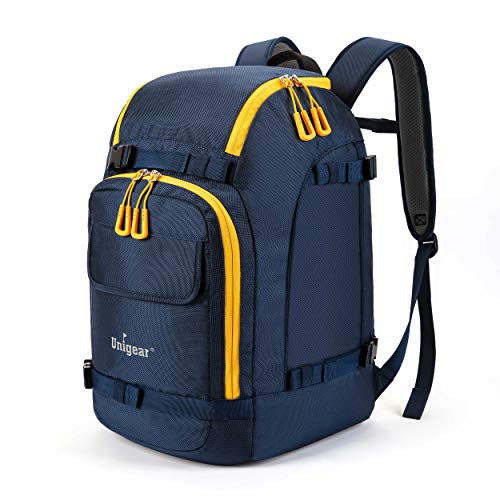
- ✓ Spacious 50L capacity
- ✓ Durable waterproof build
- ✓ Comfortable padded straps
- ✕ Slightly bulky when full
| Storage Capacity | 50 liters |
| Main Compartment Dimensions | 11.8 x 12.6 x 19.7 inches |
| Boot Size Compatibility | Up to US men’s size 12.5 |
| Material | Tarpaulin and 1050D nylon |
| Waterproof Features | Waterproof tarpaulin bottom and exterior fabrics |
| Carrying System | Padded mesh back panel and adjustable shoulder straps |
Unlike many ski backpacks I’ve handled, this Unigear model instantly caught my eye with its surprisingly sleek design and thoughtful layout. It’s robust yet not bulky, with a sturdy feel that hints at serious durability.
The moment I unzipped it, I appreciated the generous 50L capacity—there’s ample space for boots, helmet, goggles, and even a few extra layers.
The individual compartments are a real game changer. Your boots fit snugly up to size 12.5, and the separate pockets keep your gear organized without everything jumbling together.
The external webbing makes attaching skis or a snowboard straightforward and secure, which is a huge plus on busy days.
The waterproof exterior, made from tarpaulin and 1050D nylon, seems built to withstand snow and rain. I tested it in a snowstorm—no moisture seeped through, and I felt confident my gear was protected.
Plus, flipping the back-panel door to use as a standing mat is a clever touch, making quick changes on the spot easy and dry.
The padded mesh back panel and shoulder straps are comfortable, even when the bag’s fully loaded. It stayed in place and didn’t dig into my shoulders, which is often a problem with bulkier packs.
Overall, it’s a well-designed, durable bag that makes schlepping gear less of a chore.
SEMSTY 12L Ski & Snowboard Backpack for Men & Women
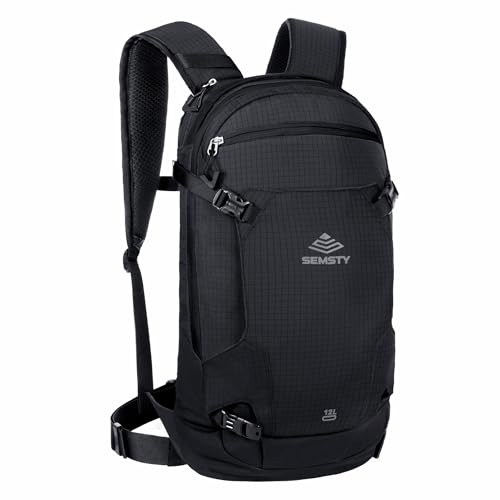
- ✓ Compact and lightweight
- ✓ Water-resistant material
- ✓ Multiple carrying options
- ✕ Hydration bladder not included
- ✕ No dedicated helmet pocket
| Capacity | 12 liters (12.2 x 3.15 x 20.9 inches) |
| Material | Water-resistant nylon fabric |
| Dimensions | 12.2 inches (height) x 3.15 inches (width) x 20.9 inches (length) |
| Carrying Options | Vertical, diagonal, and horizontal snowboard and ski carry with adjustable length buckle |
| Back Panel | Air-permeable PE foam for ventilation and comfort |
| Additional Features | Fleece-lined goggle pocket, external shovel blade carry, hydration system compatible (bladder not included) |
The SEMSTY 12L Ski & Snowboard Backpack instantly caught my eye with its compact yet spacious design, measuring 12.2*3.15*20.9 inches, making it perfect for quick trips to the slopes. It felt lightweight but sturdy, thanks to its water-resistant nylon fabric that handled snow and sharp ski edges comfortably. The SEMSTY 12L Ski & Snowboard Backpack for Men & Women is a standout choice in its category.
One of my favorite features is the individual fleece-lined goggle pocket, which kept my goggles scratch-free, and the external shovel blade carry was super handy when I needed quick access. The backpack also offers versatile carrying options for skis and snowboards, including diagonal and horizontal straps, making it adaptable for various gear setups. When comparing different best ski backpack options, this model stands out for its quality.
Overall, the SEMSTY ski backpack impressed me with its ergonomic design, especially the breathable PE foam back panel and adjustable sternum strap with a whistle. For $59.99, it’s a reliable, multi-purpose option that balances storage, comfort, and durability for any winter adventure.
What Features Make a Ski Backpack the Best Choice?
The best ski backpack should incorporate several essential features to enhance safety, comfort, and functionality on the slopes.
- Capacity: A good ski backpack typically ranges from 20 to 40 liters, offering enough space for essential gear without being cumbersome. This capacity allows skiers to carry extra layers, food, water, and safety equipment like avalanche gear without feeling weighed down.
- Hydration System Compatibility: Many top ski backpacks come with compartments or sleeves for hydration reservoirs, facilitating easy access to water while skiing. This feature helps keep skiers hydrated during long runs and strenuous activities without needing to stop and dig through the pack.
- Comfort and Fit: A well-designed ski backpack has adjustable straps, padded back panels, and ergonomic designs to ensure a snug and comfortable fit. This comfort is crucial for maintaining mobility and reducing fatigue during extended periods on the mountain.
- Avalanche Safety Features: Ski backpacks may include dedicated compartments for avalanche gear such as beacons, probes, and shovels, promoting safety in backcountry conditions. Some models even have built-in airbag systems designed to help prevent burial in the event of an avalanche.
- Attachment Points: The best ski backpacks often have multiple attachment points for carrying skis, snowboard, or poles externally. This allows for versatile transportation options and keeps hands free for maneuvering on challenging terrain.
- Weather Resistance: A ski backpack made from water-resistant or waterproof materials ensures that contents stay dry in snowy or wet conditions. This feature is significant for protecting gear and maintaining comfort during unpredictable weather on the slopes.
- Weight Distribution: A well-balanced ski backpack features a design that evenly distributes weight across the back and hips, preventing strain and enhancing stability. Effective weight distribution is essential for maneuverability and overall skiing performance.
How Do Storage Capacity and Organization Affect Usage?
Compartmentalization: Well-designed compartments allow for better organization, making it easier to access gear quickly while on the slopes. A backpack with specific pockets for items like goggles, hydration systems, and avalanche tools helps ensure that everything is in its place, preventing fumbling during critical moments.
External Attachment Points: These features enable skiers to secure additional items like skis or poles, enhancing the backpack’s versatility and convenience. Attachment points can free up internal space and provide a more balanced load, making it easier to navigate challenging terrain.
Weight Distribution: A backpack’s design affects how weight is distributed across the body, influencing comfort and stability during skiing. Proper weight distribution can reduce fatigue and improve performance, allowing skiers to maintain better control and agility on the slopes.
Why Is Comfort and Fit Essential for Skiing?
Comfort and fit are paramount when selecting a ski backpack due to the physical demands of skiing. A well-fitted backpack ensures that weight is distributed evenly across your body, reducing strain and preventing fatigue on the slopes.
Key reasons for prioritizing comfort and fit include:
-
Mobility: An ill-fitting backpack can restrict your movement, hindering your skiing ability. A comfortable design allows for full mobility, essential for maneuvering on various terrains.
-
Weight Distribution: A backpack that sits snugly against your back and hips helps to distribute the load efficiently. This reduces the risk of back pain and enhances overall stability.
-
Ventilation and Breathability: A design that incorporates breathable materials can prevent overheating and discomfort during intense activities. Look for features like mesh panels or back ventilation systems.
-
Adjusted Straps: Adjustable straps are crucial for achieving a personalized fit. Properly positioned shoulder straps can prevent chafing and slipping, while a well-fitted hip belt aids in weight management.
Investing time in finding the right backpack can significantly enhance your skiing experience, allowing you to focus on the adventure rather than discomfort.
What Safety Features Should a Top Ski Backpack Include?
The best ski backpacks should include several essential safety features to ensure the safety and comfort of the skier.
- Avalanche Safety Gear Pocket: A dedicated pocket for avalanche safety gear like a beacon, shovel, and probe is crucial. This allows for quick access to life-saving tools in emergency situations.
- Reflective Elements: Incorporating reflective materials enhances visibility in low-light conditions, making it easier for others to see the skier on the slopes. This feature is particularly important during evening skiing or in poor weather conditions.
- Compression Straps: Well-placed compression straps help to secure gear tightly against the body, reducing the risk of injury from shifting loads during falls. They also allow for better weight distribution, improving overall balance while skiing.
- Helmet Carry System: A helmet carry system provides a safe and secure way to transport a helmet when not in use. This feature keeps the helmet accessible and prevents it from becoming a hindrance while skiing.
- Hydration Reservoir Compartment: A compartment for a hydration reservoir ensures that skiers can stay hydrated without needing to stop. Staying hydrated is essential for maintaining energy levels and focus on the slopes.
- Padded Back Panel: A padded back panel enhances comfort and support, especially during long days on the mountain. It also helps absorb shock during falls, reducing the risk of back injuries.
- Integrated Safety Whistle: An integrated whistle can be a lifesaver in emergencies, allowing skiers to signal for help if they are lost or injured. This small addition can significantly enhance safety during backcountry skiing.
- Emergency First Aid Kit: Including a compact first aid kit in the backpack ensures that skiers are prepared for minor injuries. Quick access to medical supplies can be critical in remote locations where help may not be readily available.
Which Ski Backpacks Are Considered the Best by Experts?
The best ski backpacks are recognized for their functionality, comfort, and features tailored for skiing enthusiasts.
- Osprey Kamber 42: Known for its excellent balance of capacity and weight, this backpack is designed for backcountry skiing and offers ample storage for gear.
- Black Diamond Dawn Patrol 32: This versatile pack is favored for its lightweight design and quick access features, making it ideal for both uphill touring and downhill skiing.
- Deuter Freerider Lite: Offering a streamlined design, it is lightweight yet durable, perfect for day trips in the backcountry with features like a ski carry system and hydration compatibility.
- Arc’teryx Sabre AR 30: This backpack is praised for its weather resistance and durability, equipped with a comfortable suspension system that supports long days on the slopes.
- Patagonia SnowDrifter 30L: With a focus on sustainability, this pack combines performance with eco-friendly materials, featuring a spacious main compartment and external pockets for easy access.
The Osprey Kamber 42 excels in providing a spacious interior while maintaining a lightweight profile, which is essential for long ski tours. It includes features like a hydration reservoir sleeve and gear loops for convenience during a full day of skiing.
The Black Diamond Dawn Patrol 32 stands out because it allows skiers to access their gear quickly, thanks to its functional design, while remaining lightweight enough for uphill travel. It also includes a dedicated pocket for avalanche safety gear, making it a smart choice for safety-conscious skiers.
The Deuter Freerider Lite is specifically designed for backcountry adventures, striking a balance between weight and functionality. Its ski carry system is intuitive, and the pack is equipped with a compartment for a hydration system, ensuring hydration is easy to manage.
The Arc’teryx Sabre AR 30 is built to withstand harsh weather conditions, featuring waterproof materials that keep gear dry. Its adjustable suspension system ensures comfort during extended wear, making it a reliable choice for serious skiers.
Patagonia’s SnowDrifter 30L combines high performance with environmentally friendly materials, appealing to eco-conscious skiers. Its thoughtful design includes ample storage space and external access pockets, allowing users to quickly retrieve essentials without removing the pack.
What Models Are Highly Rated by Users and Experts?
The best ski backpacks are recognized for their functionality, comfort, and durability, making them favorites among users and experts alike.
- Osprey Kamber 42: This backpack is favored for its spacious design and advanced features, including a dedicated avalanche safety gear pocket and a back panel that allows for easy access to gear without removing the pack.
- Black Diamond Dawn Patrol 32: Renowned for its lightweight construction and versatile design, this backpack offers ample storage for both day trips and backcountry adventures, complete with ski carry options and an internal pocket for hydration systems.
- Deuter Freerider Pro 30: Users appreciate its robust build and comfort, featuring a padded back panel and adjustable straps, making it ideal for carrying heavy loads while skiing in diverse terrains.
- Arc’teryx Sentinel 30: This model is praised for its sleek design and weather-resistant materials, providing excellent protection for gear and personal items, along with multiple attachment points for skis and poles.
- Mammut Nirvana 30: Known for its organization features, this backpack includes compartments for avalanche gear and safety equipment, along with a comfortable fit that is perfect for all-day wear on the slopes.
The Osprey Kamber 42 backpack is specifically designed for skiers who require ample space for gear while still allowing easy access to essentials. Its innovative features like the avalanche safety pocket make it a top choice for safety-conscious skiers.
The Black Diamond Dawn Patrol 32 stands out due to its lightweight design combined with functionality, making it suitable for those who enjoy backcountry skiing and need a pack that won’t weigh them down. Its hydration system pocket ensures skiers stay hydrated without hassle.
Deuter Freerider Pro 30 is recognized for its comfort and durability, featuring a padded back and adjustable straps that make it easy to carry during long ski days. The thoughtful design allows for optimal weight distribution, enhancing the skiing experience.
Arc’teryx Sentinel 30 is celebrated for its stylish yet practical approach, incorporating weather-resistant materials to protect gear from the elements. The multiple ski and pole attachment points offer versatility for different skiing styles.
Mammut Nirvana 30 is designed with organization in mind, offering compartments specifically for safety gear, making it a favorite among skiers who prioritize preparedness. Its ergonomic design ensures comfort on long excursions while maintaining easy access to gear.
How Do Different Brands Compare in Quality and Sustainability?
| Brand | Quality | Sustainability | Price Range | Warranty |
|---|---|---|---|---|
| Brand A | High durability, excellent materials used. | Eco-friendly materials, carbon-neutral production. | Price range: $$ | Warranty: 2 years |
| Brand B | Moderate durability, budget-friendly materials. | Some sustainable practices, but limited range. | Price range: $ | Warranty: 1 year |
| Brand C | Excellent quality, premium build. | Fully sustainable, uses recycled materials. | Price range: $$$ | Warranty: 3 years |
| Brand D | Good quality, reliable performance. | Partially sustainable, some recycled materials used. | Price range: $$ | Warranty: 2 years |
What Should You Expect to Pay for a Quality Ski Backpack?
- Budget Options ($50 – $100): These backpacks typically offer basic features such as limited storage capacity and minimal weather resistance. They are suitable for beginner skiers or those who ski occasionally, providing enough space for essentials like water, snacks, and a first-aid kit.
- Mid-Range Options ($100 – $200): Mid-range ski backpacks often include additional features such as hydration reservoirs, better padding, and improved materials for weather resistance. They cater to intermediate skiers who need more functionality, such as gear loops for carrying additional equipment and compartments for avalanche safety gear.
- High-End Options ($200 – $300): High-end ski backpacks are designed for serious skiers and often come equipped with advanced features like specialized compartments for avalanche gear, highly durable materials, and ergonomic designs for maximum comfort. They are built to withstand harsh conditions and provide enhanced performance during backcountry skiing or extended trips.
- Premium Brands ($300+): Premium backpacks from renowned brands may exceed $300 and offer top-of-the-line materials, innovative designs, and lifetime warranties. These are ideal for professional skiers or frequent adventurers who demand the best in functionality, durability, and comfort during their excursions.
How Can You Ensure Your Ski Backpack Meets Your Needs?
To ensure your ski backpack meets your needs, consider the following factors:
- Size and Capacity: Choose a size that can accommodate all your gear without being overly bulky.
- Weight Distribution: Look for a backpack designed to evenly distribute weight to prevent fatigue during long days on the slopes.
- Durability: Opt for materials that can withstand harsh weather conditions and rough handling.
- Accessibility: Ensure the backpack has easy-to-reach pockets and compartments for quick access to essentials.
- Hydration Compatibility: Consider whether the backpack can hold a hydration reservoir or has external water bottle pockets.
- Safety Features: Look for backpacks that include safety features like avalanche gear compartments or reflective elements.
Size and Capacity: Selecting the right size and capacity is crucial for a ski backpack. A backpack that is too small may not hold all your necessary gear, while one that is too large can become cumbersome and interfere with your skiing performance. A good rule of thumb is to choose a capacity that matches the length of your trips, such as 20-30 liters for day trips.
Weight Distribution: Proper weight distribution significantly impacts comfort during skiing. A well-designed backpack will feature adjustable straps and a supportive frame that help distribute the load evenly across your back and hips. This reduces strain on your body, allowing you to ski longer without discomfort.
Durability: Skiing often exposes gear to extreme conditions, so durability is key. Look for backpacks made from high-denier nylon or other robust materials that are resistant to tears and abrasions. Reinforced stitching and water-resistant coatings can also enhance the longevity of your backpack.
Accessibility: Quick access to your gear can make a big difference on the slopes. Features like front panel access, side zippers, and multiple pockets allow you to grab items without having to dig through your entire backpack. This is especially important for essentials like snacks, maps, or first-aid kits.
Hydration Compatibility: Staying hydrated is vital during skiing, and many backpacks now come with hydration reservoir sleeves. These allow you to carry a water bladder that you can sip from while skiing, making it easier to stay hydrated without needing to stop frequently. Additionally, external pockets for water bottles can provide extra options for hydration.
Safety Features: Safety should always be a priority when skiing, especially in backcountry areas. Some ski backpacks come equipped with specialized compartments for avalanche safety gear, such as shovels and probes. Reflective strips and emergency whistle attachments can also enhance your visibility and safety in low-light conditions.
What Extra Gear Should Be Packed in a Ski Backpack for Safety?
When preparing for a day on the slopes, having the right safety gear packed in your ski backpack is essential.
- First Aid Kit: A compact first aid kit is crucial for addressing minor injuries such as cuts, scrapes, or sprains. Look for a kit that includes bandages, antiseptic wipes, and pain relief medication to handle common skiing mishaps.
- Emergency Blanket: An emergency thermal blanket can help retain body heat in case of injury or exposure. These lightweight and compact blankets are designed to reflect heat back to the body, providing insulation in cold conditions.
- Multi-tool: A multi-tool can be invaluable for quick adjustments and repairs on the mountain. Features like a knife, screwdriver, and bottle opener can come in handy for dealing with gear issues or even preparing snacks during your break.
- Map and Compass: While many skiers rely on GPS, having a physical map and compass ensures you can navigate accurately in case of electronic failure. These traditional tools can help you stay oriented in unfamiliar terrain or during poor visibility conditions.
- Headlamp or Flashlight: A small, lightweight headlamp or flashlight is essential for visibility if you’re skiing later in the day or need to find your way in low-light conditions. Make sure to pack extra batteries to ensure you’re prepared for any situation.
- Whistle: A whistle is a simple yet effective signaling device that can alert others in case of emergency. It’s lightweight and doesn’t take up much space, making it easy to include in your backpack.
- Avalanche Safety Gear: If you plan to ski in backcountry areas, carrying avalanche safety gear such as a beacon, probe, and shovel is vital. These tools can be lifesaving in the event of an avalanche, allowing for quicker rescue operations.
- Extra Layers: Packing additional clothing layers can be critical for maintaining warmth in changing weather conditions. Choose lightweight, moisture-wicking fabrics that can easily be added or removed to regulate your temperature throughout the day.
- Hydration System: Staying hydrated is essential when skiing, especially at higher altitudes. Consider a hydration bladder or water bottles that are insulated to prevent freezing, ensuring you have access to fluids during your adventure.
How Do You Maintain and Care for Your Ski Backpack?
To maintain and care for your ski backpack, follow these essential tips:
- Regular Cleaning: It’s important to clean your ski backpack after each use, especially if it has been exposed to snow, dirt, or salt. Use a damp cloth to wipe down the exterior and a gentle soap solution for the interior if necessary.
- Drying Properly: After cleaning, always ensure that your backpack is dried thoroughly before storing it. Hang it in a well-ventilated area away from direct sunlight to prevent any damage to the materials.
- Storage Considerations: When not in use, store your ski backpack in a cool, dry place. Avoid compressing it too tightly, as this can distort its shape and damage the padding or compartments.
- Inspecting for Damage: Regularly check your backpack for any signs of wear and tear, such as broken zippers or frayed straps. Addressing these issues early can prolong the life of your backpack and ensure it performs well on the slopes.
- Waterproofing: Depending on the materials used in your ski backpack, periodic application of a waterproofing spray may be beneficial. This helps to maintain its water resistance and ensures your gear stays dry during your skiing adventures.